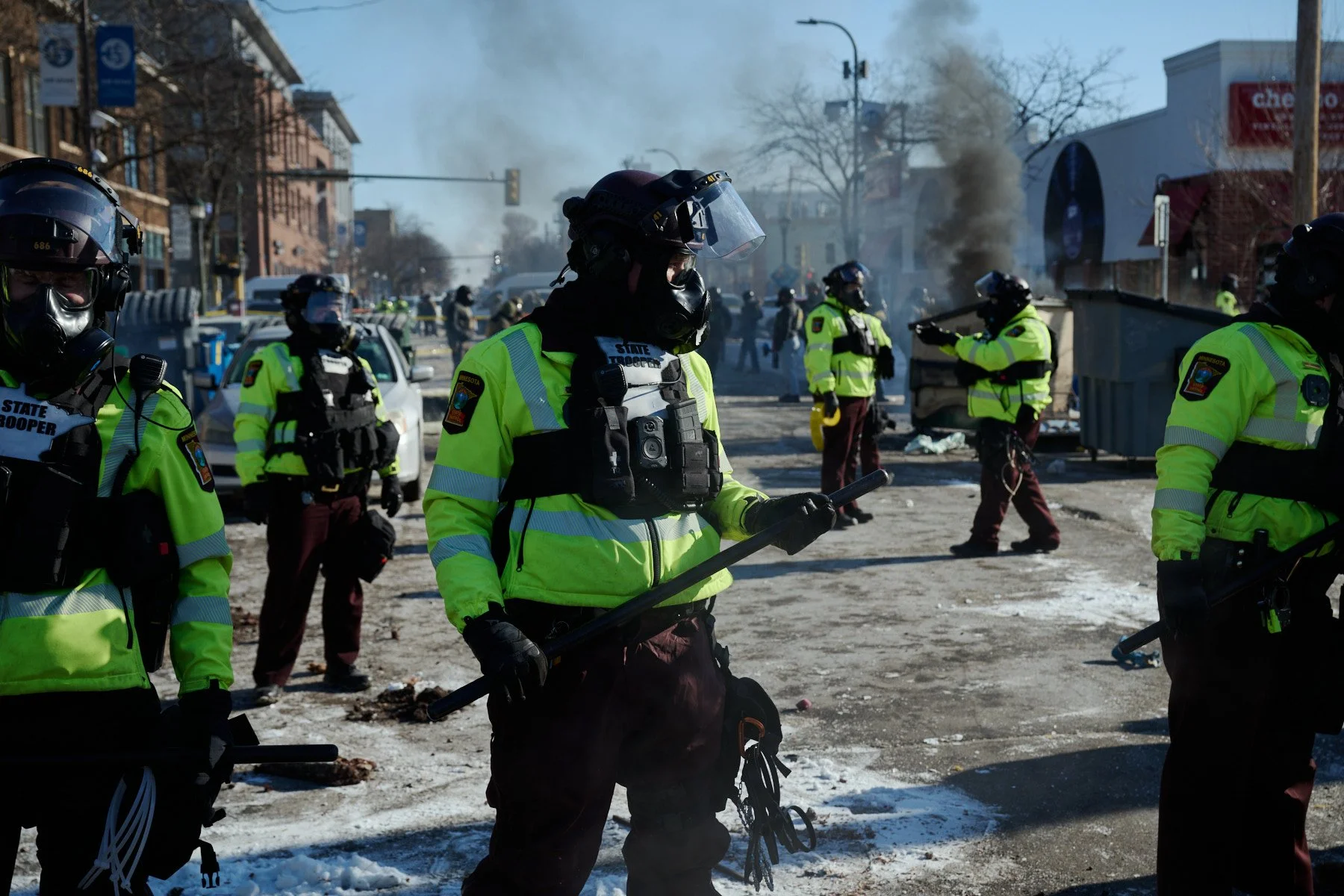
Operation Metro Surge
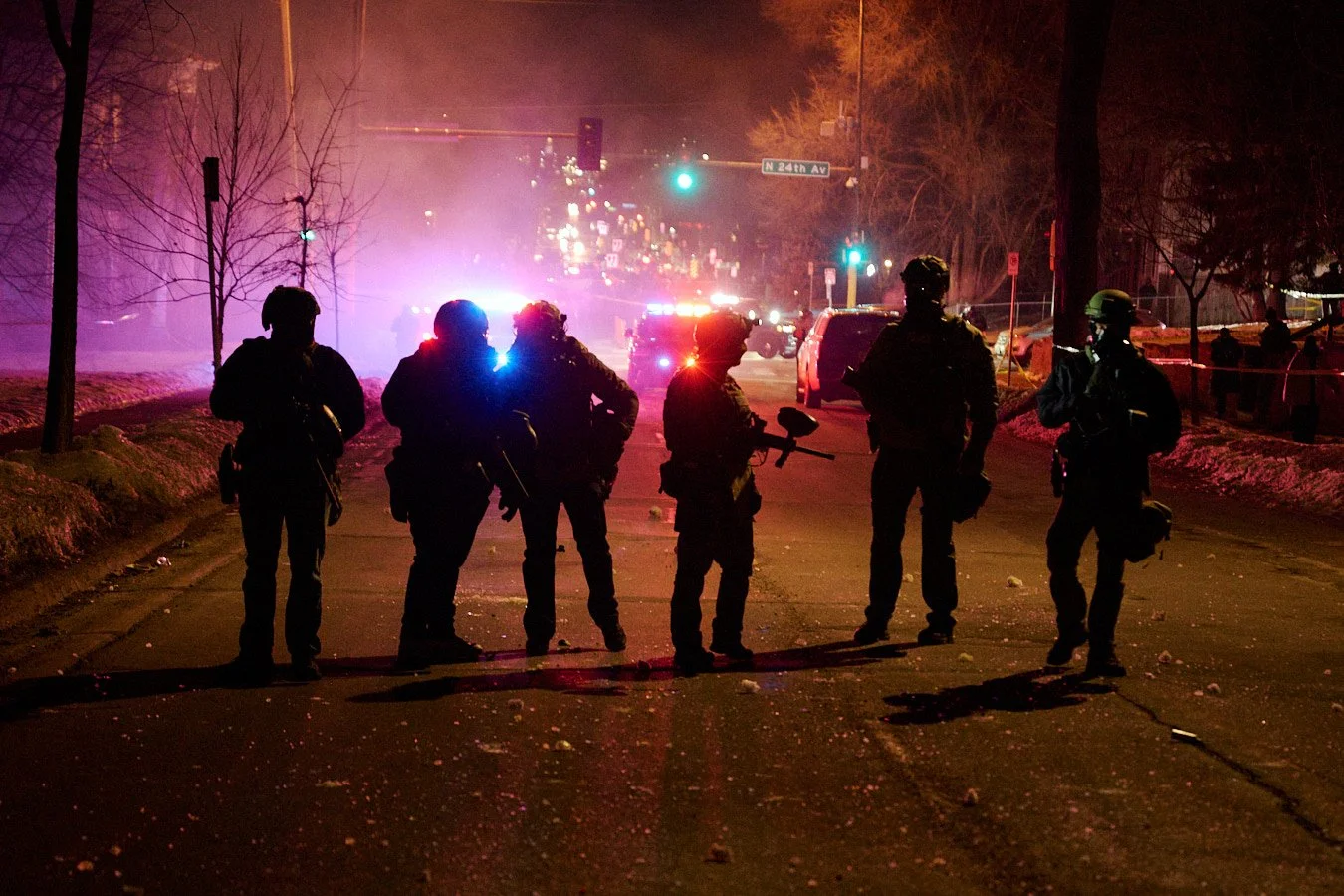
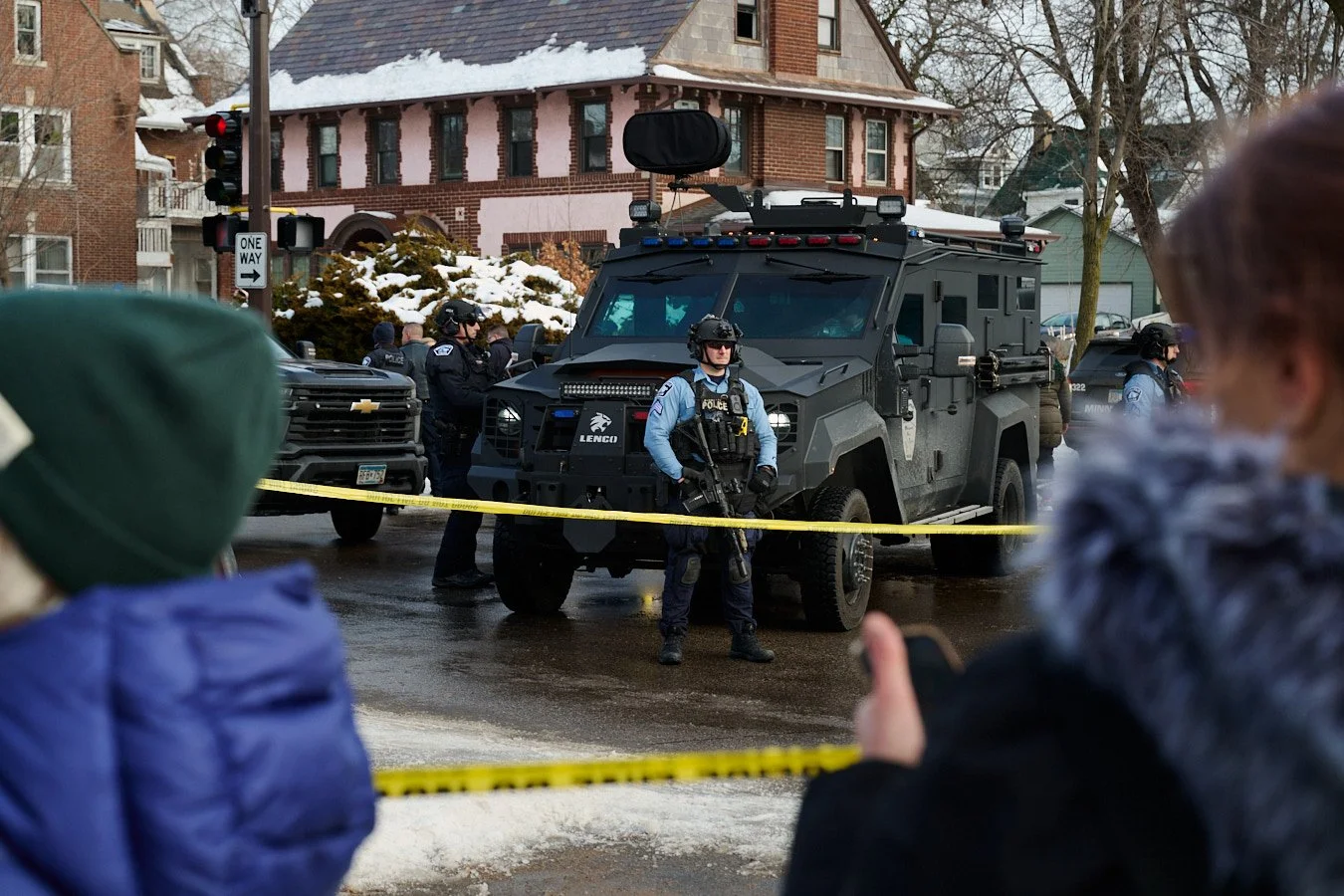
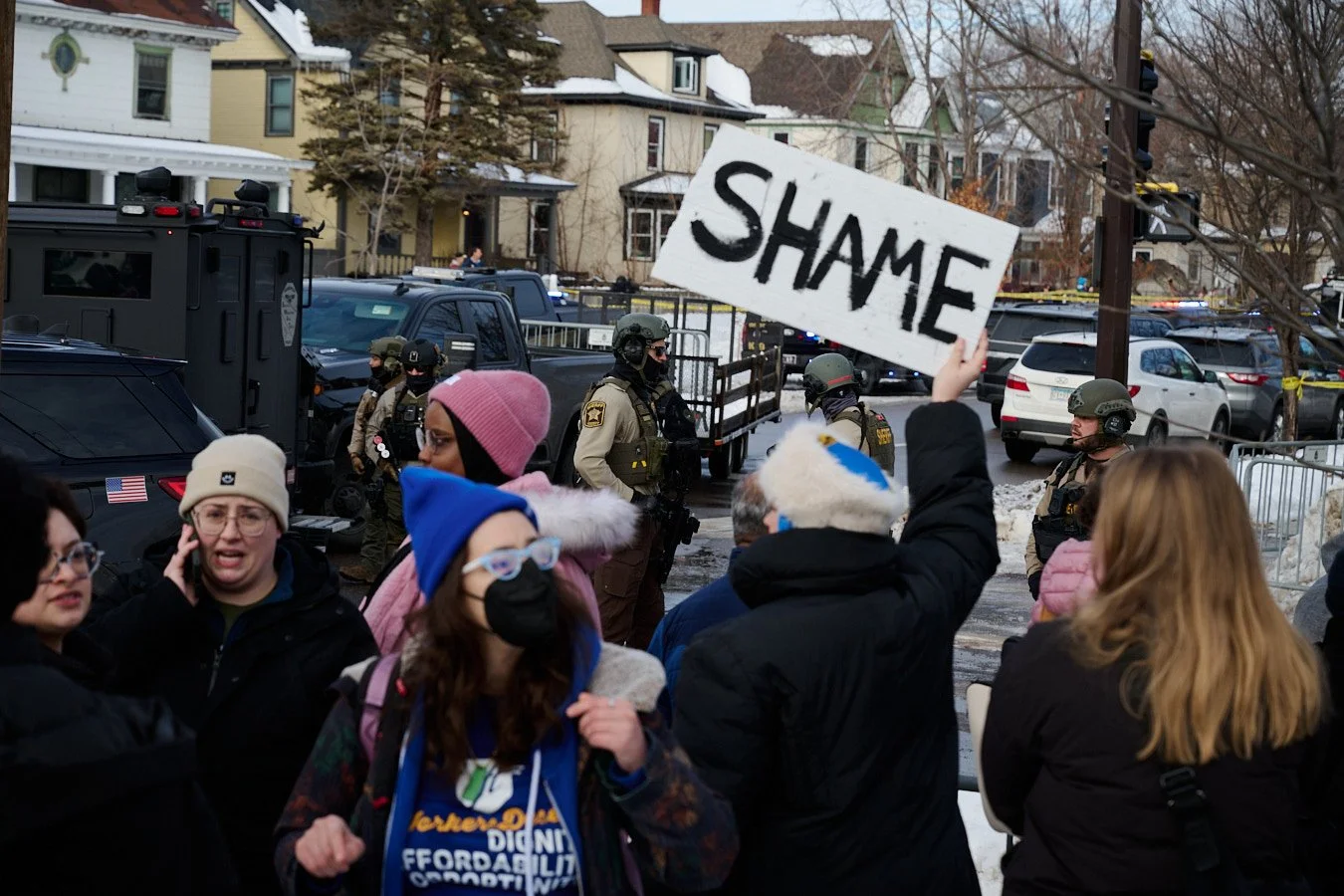
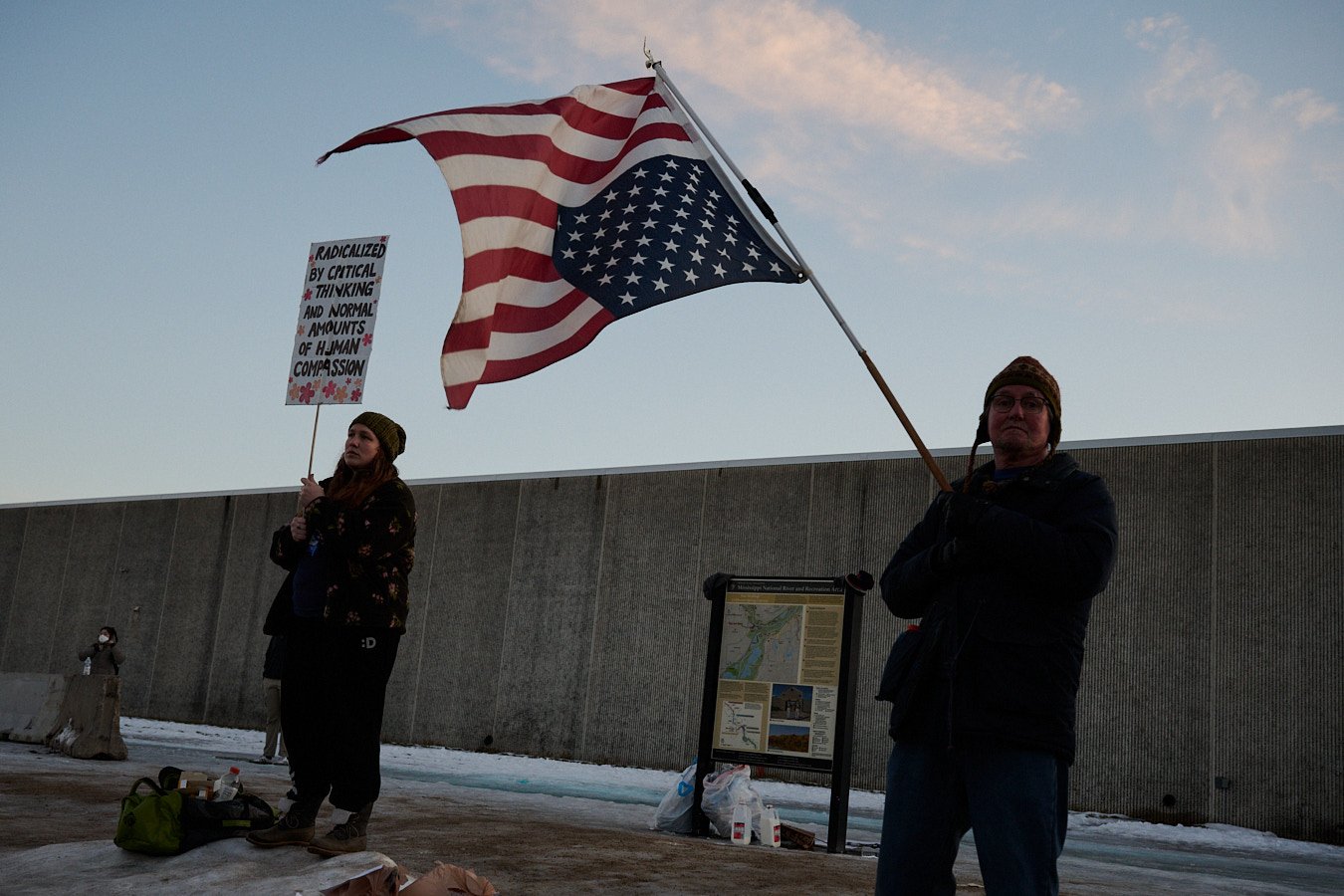
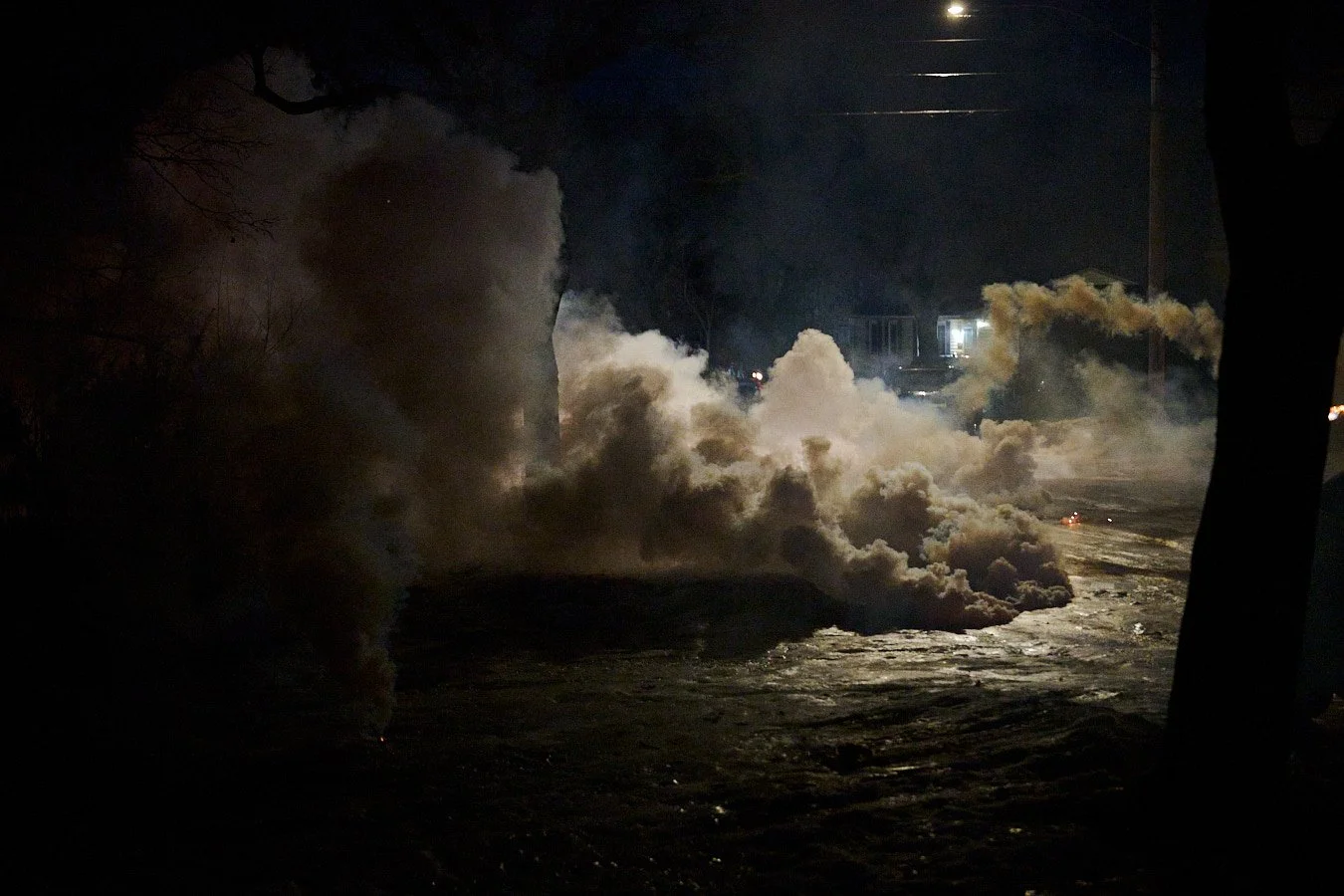
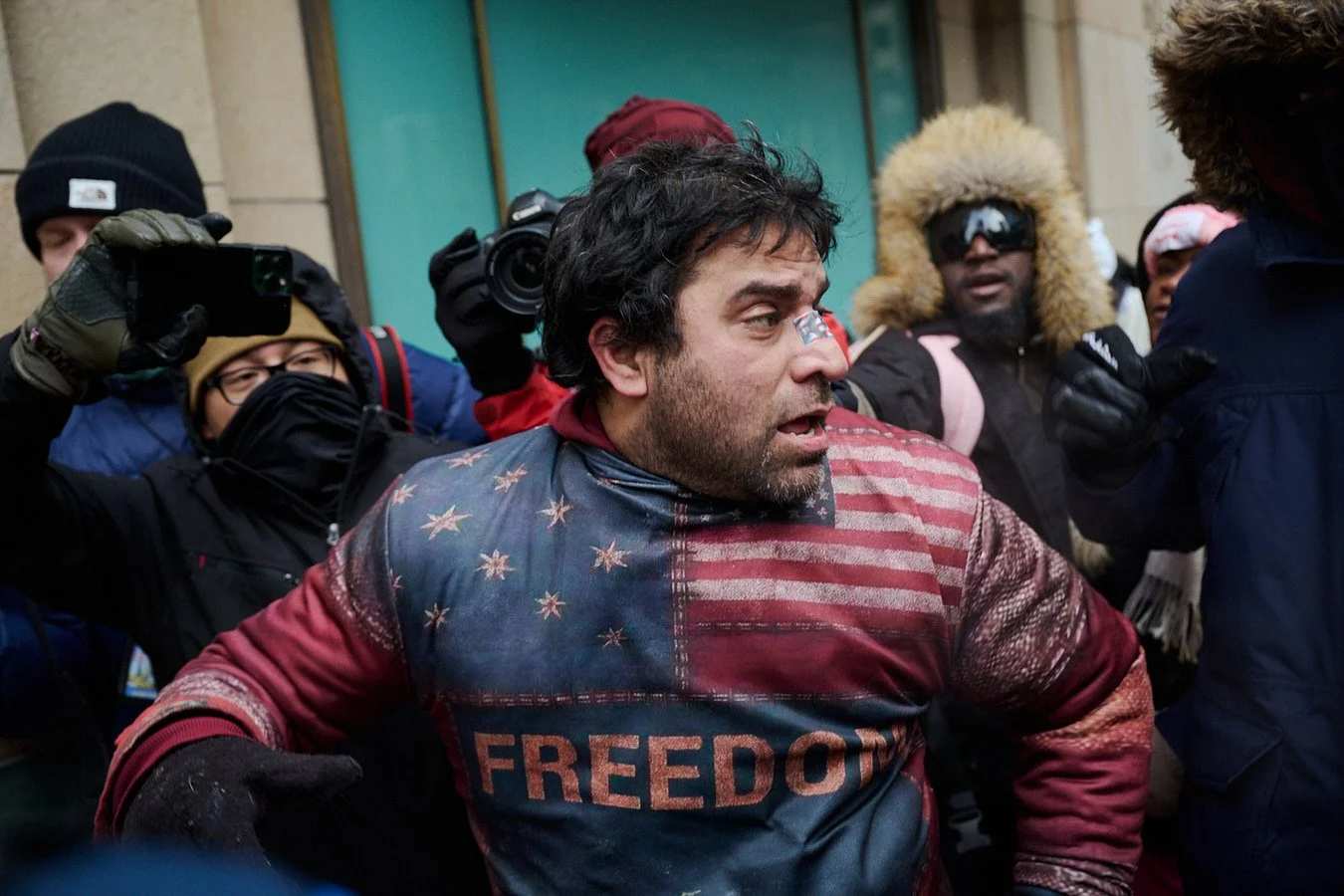
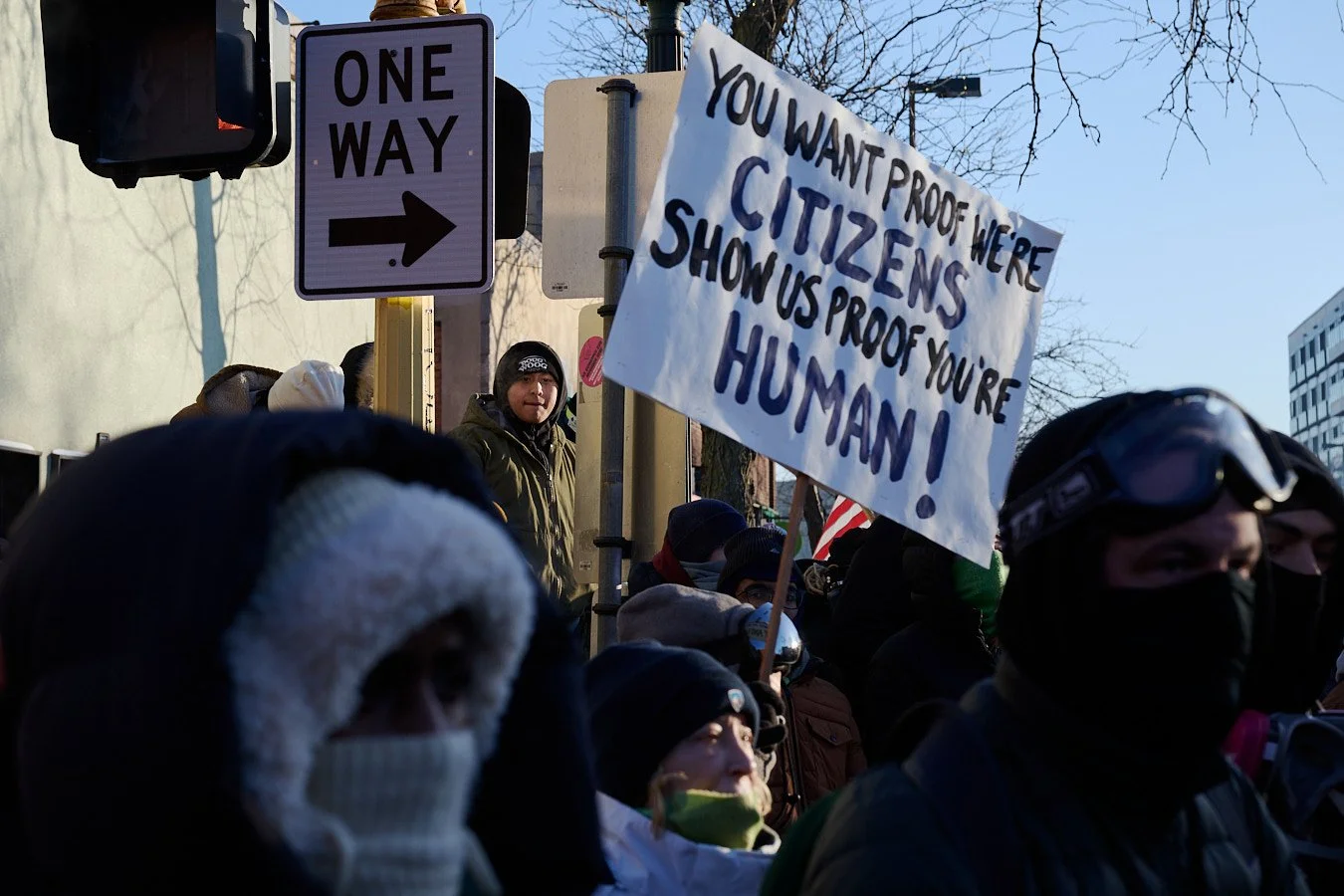
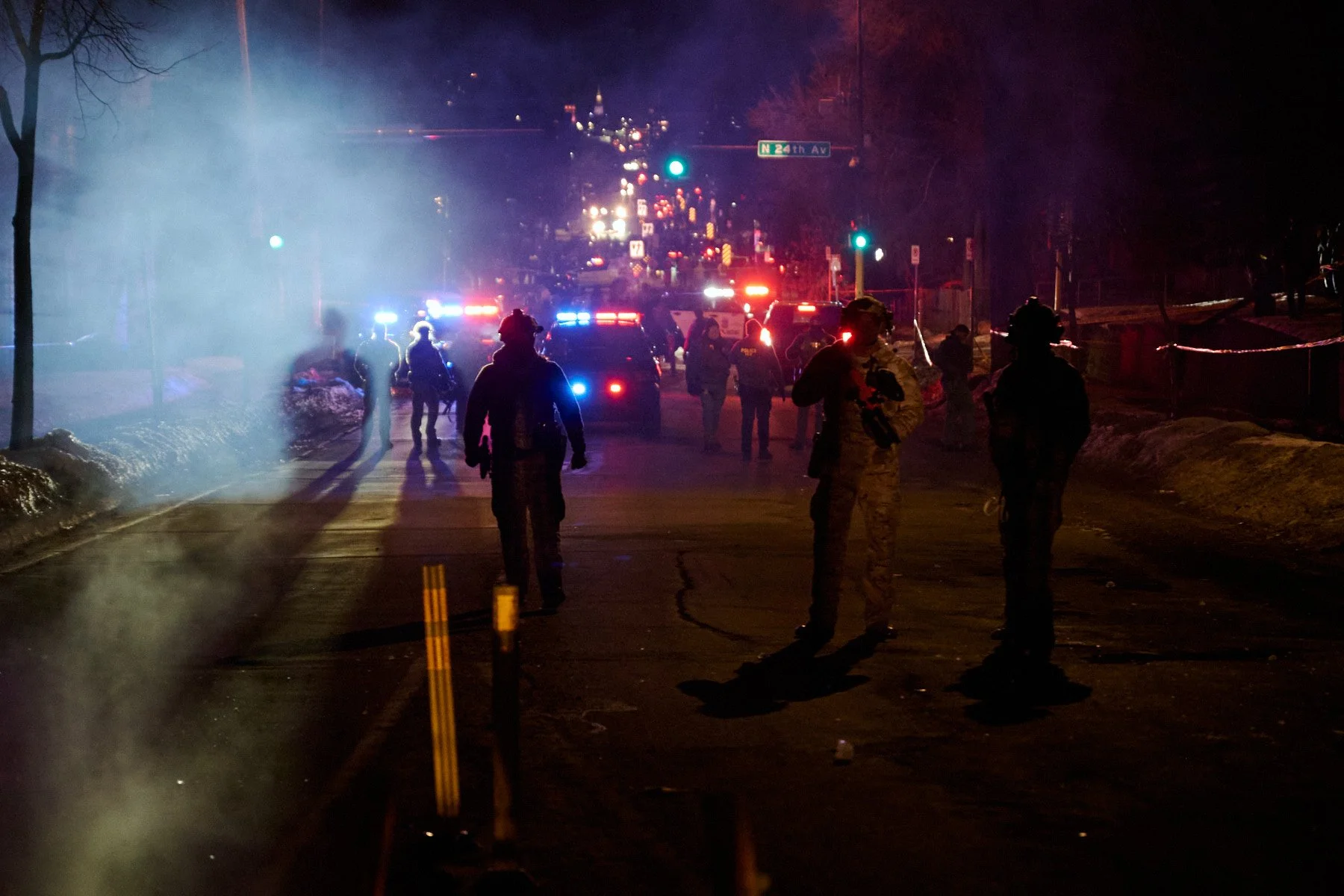
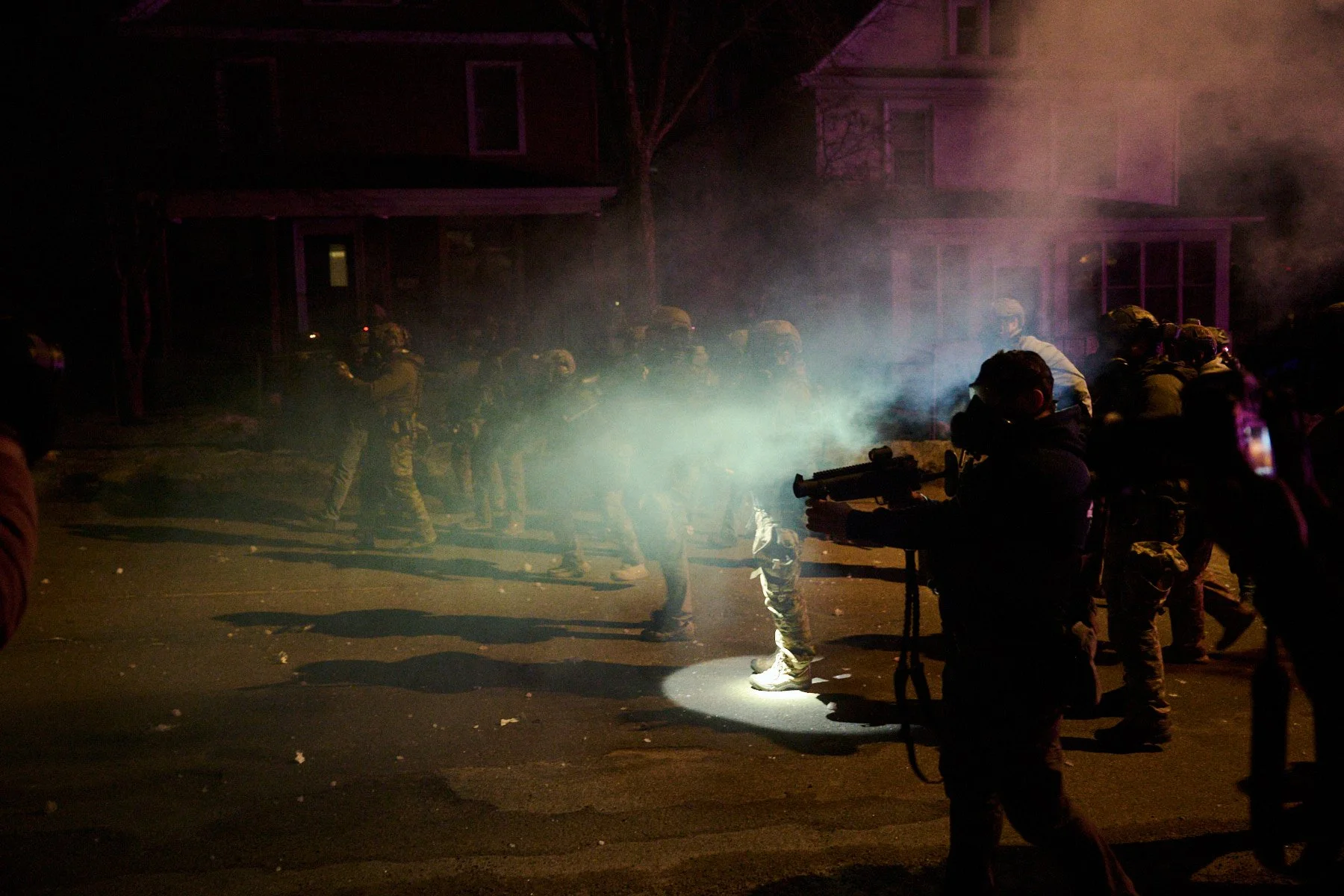
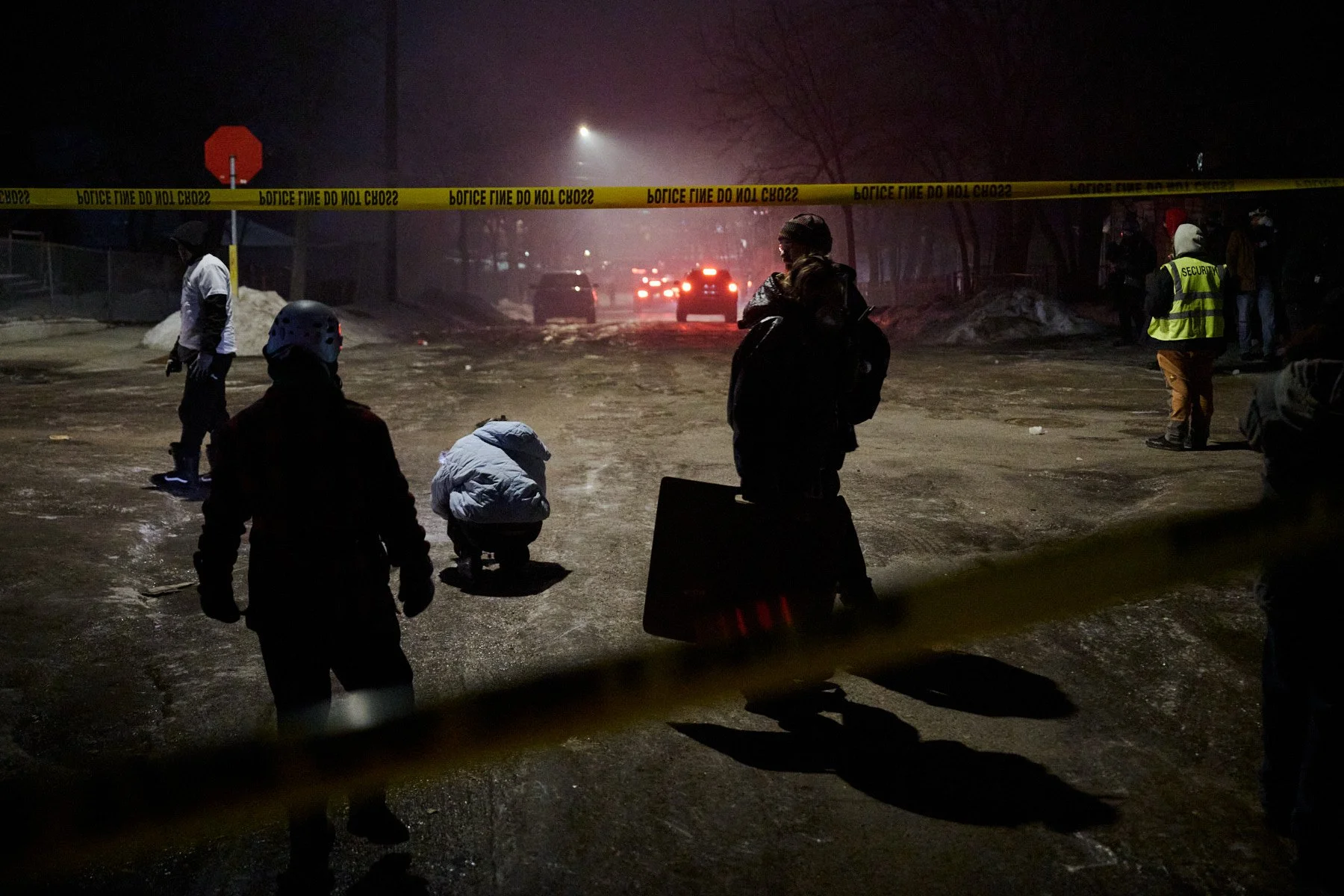
It was a disorienting January. Driving around with the window down and radio off, you might have heard whistles off in the distance. Or were unsure if it was your imagination. Federal enforcement agents swept through immigrant-dense neighborhoods, smashing in doors and entering without judicial warrants, wrongfully arresting people and demanding citizenship papers based seemingly on spot judgment. People went into hiding—avoiding medical care and grocery stores and relying on community members for support. Children stayed home from school. I was getting gas at a station in south Minneapolis a mid-month and the attendant told me a young woman had just come in crying and “shaking,” telling her that a gun had just been put in her face by an ICE officer. The attendant said she came around the counter and hugged her.
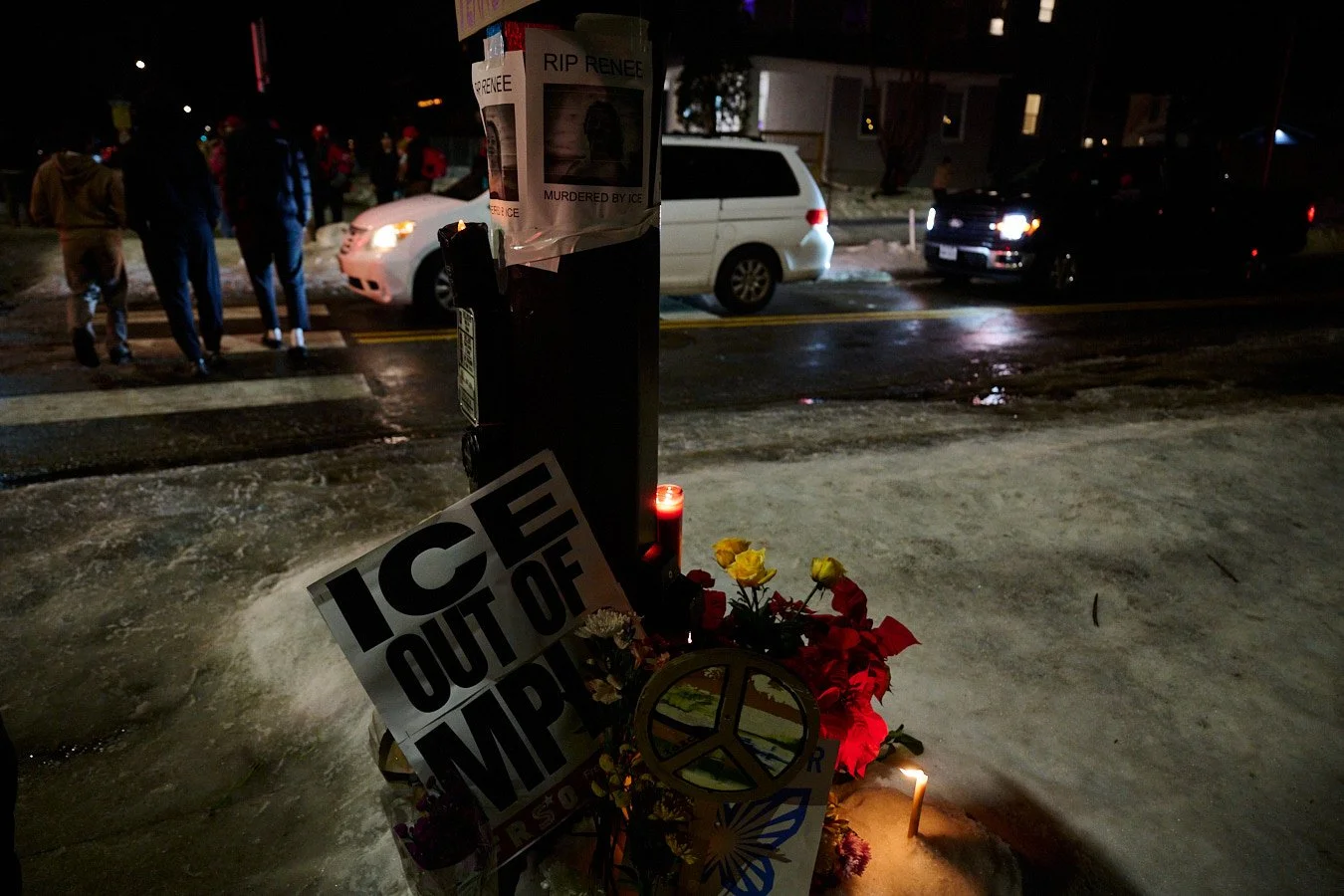
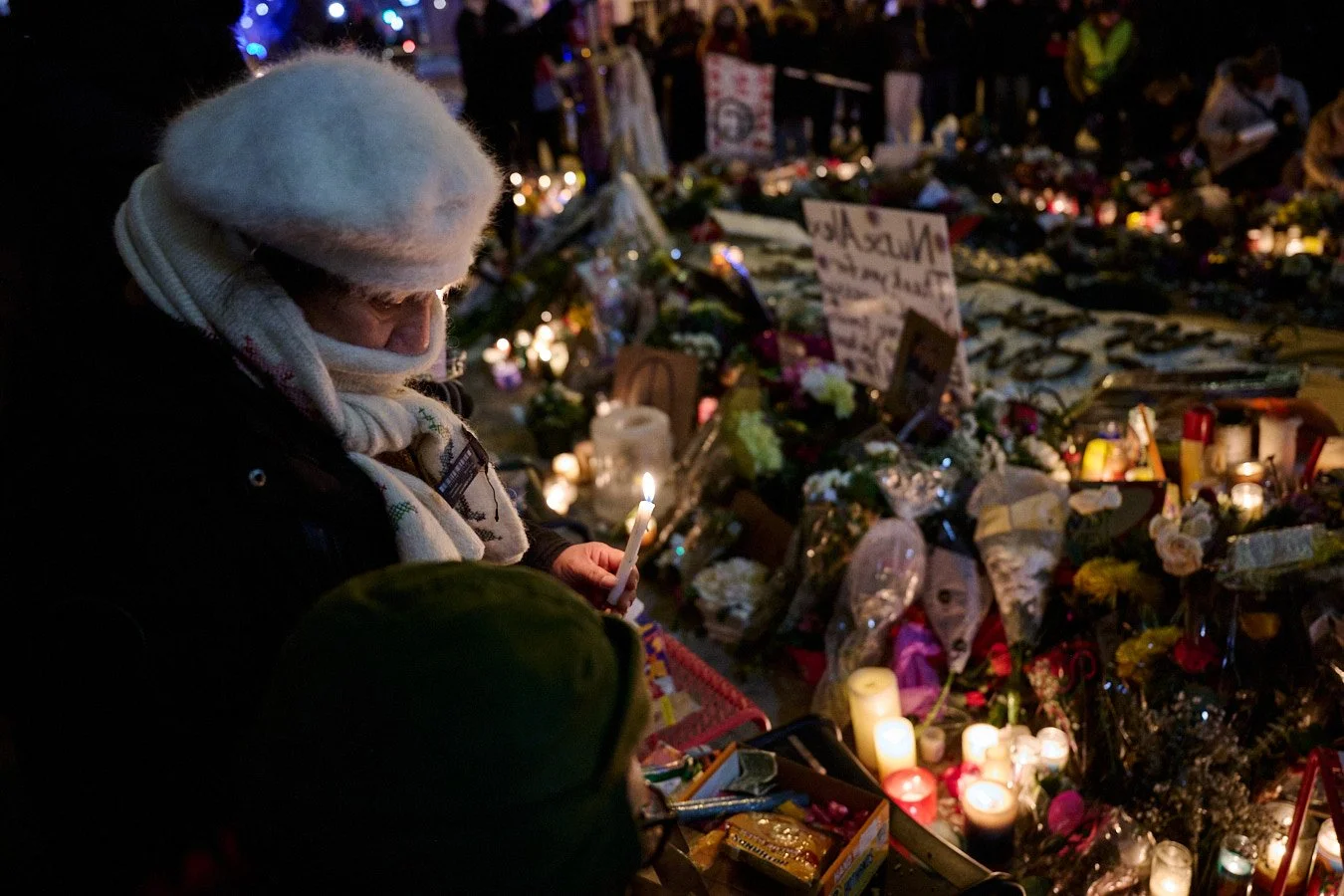
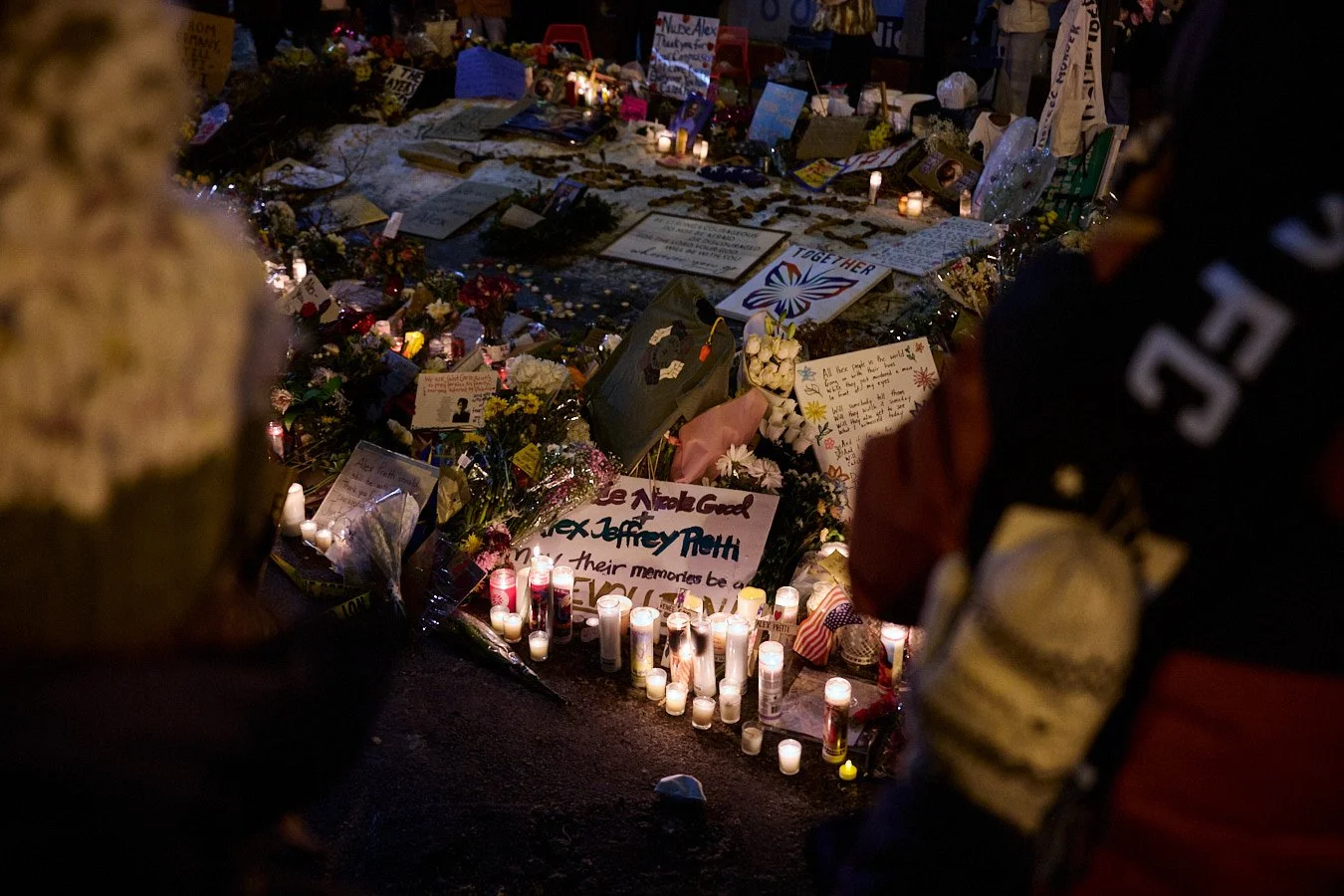
On Jan. 7, a mother and award-winning poet named Renee Good was killed, leaving behind a wife and three children, including the youngest child now orphaned. Almost instantly she was branded a “domestic terrorist” by members of the current administration, without investigation.
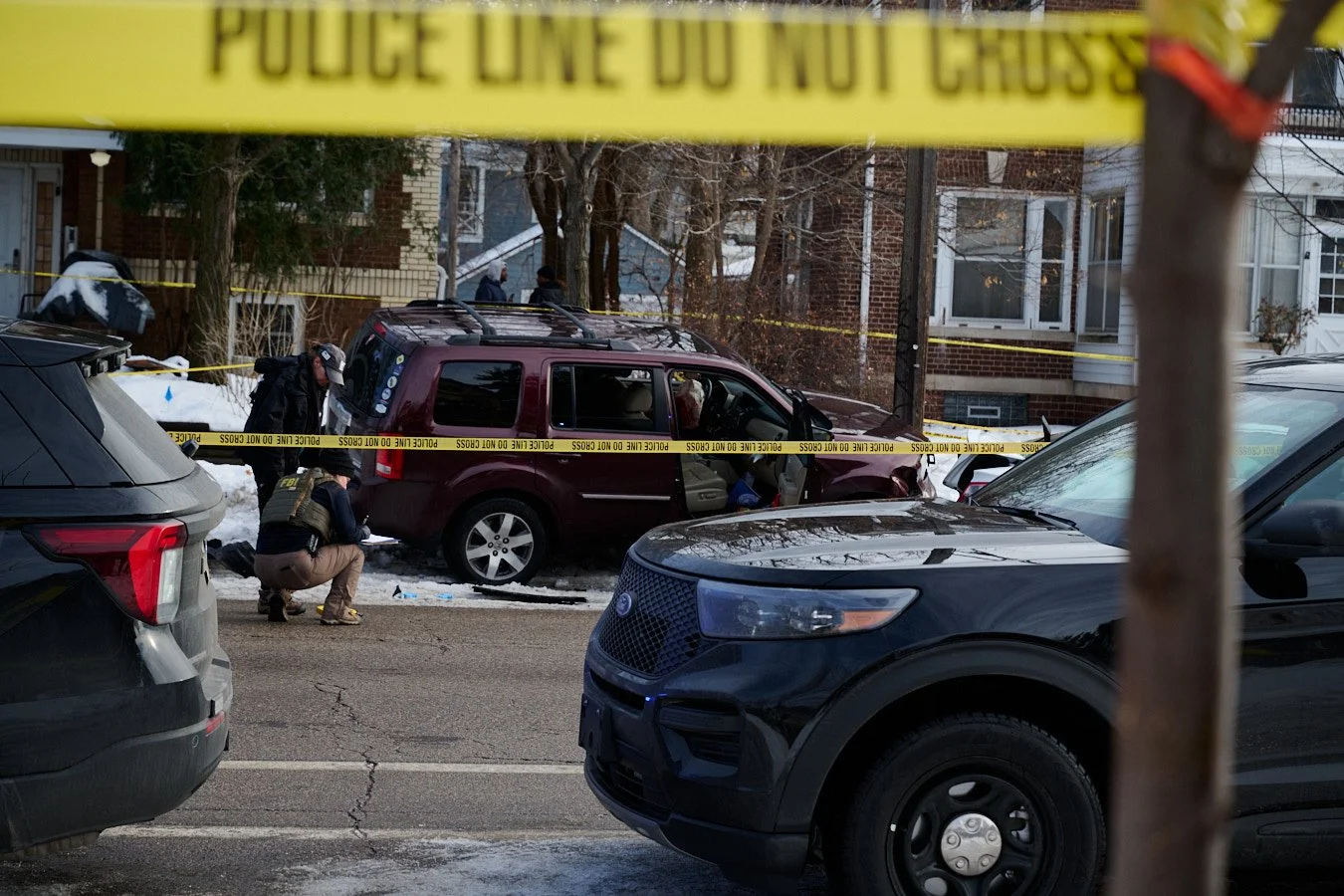
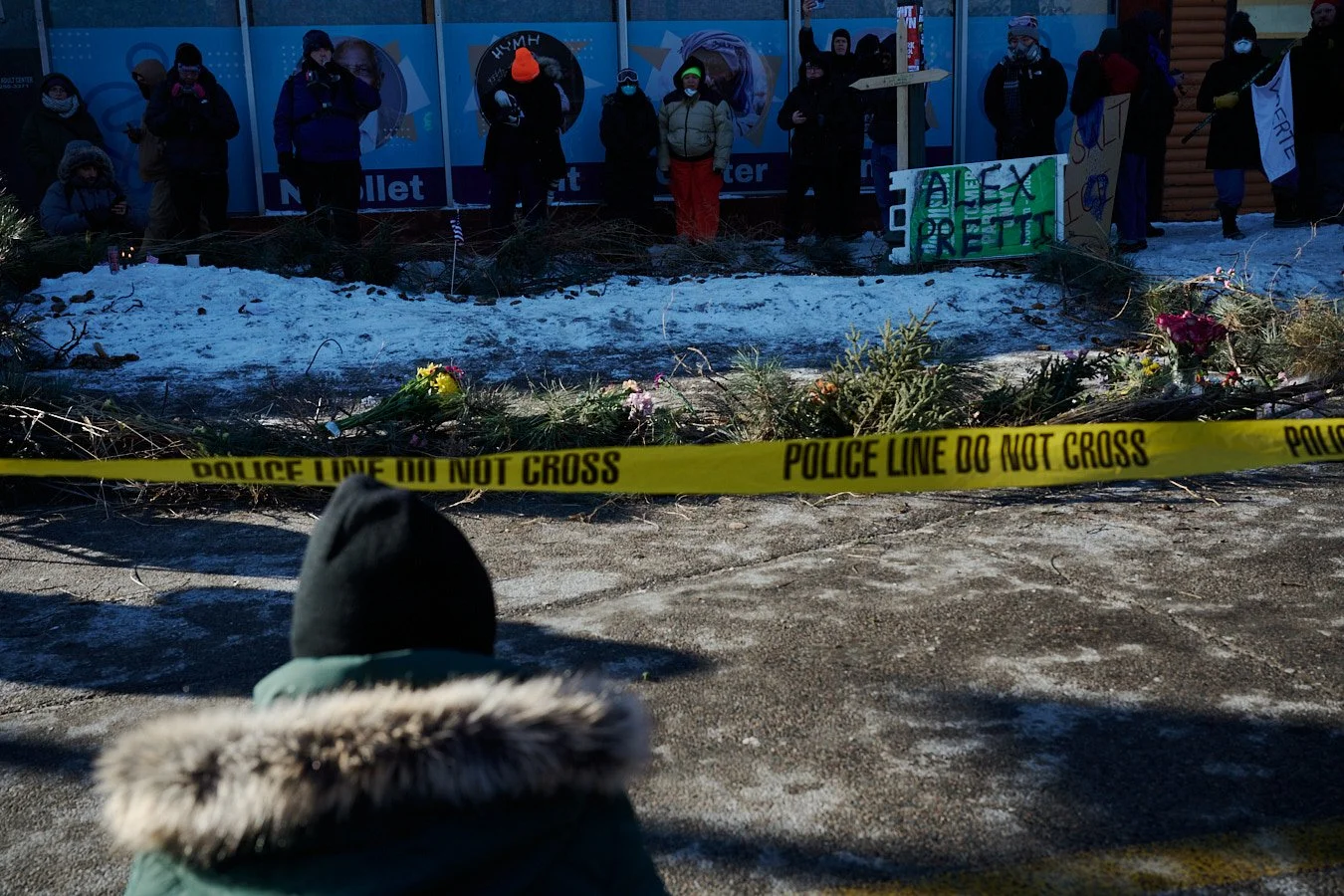
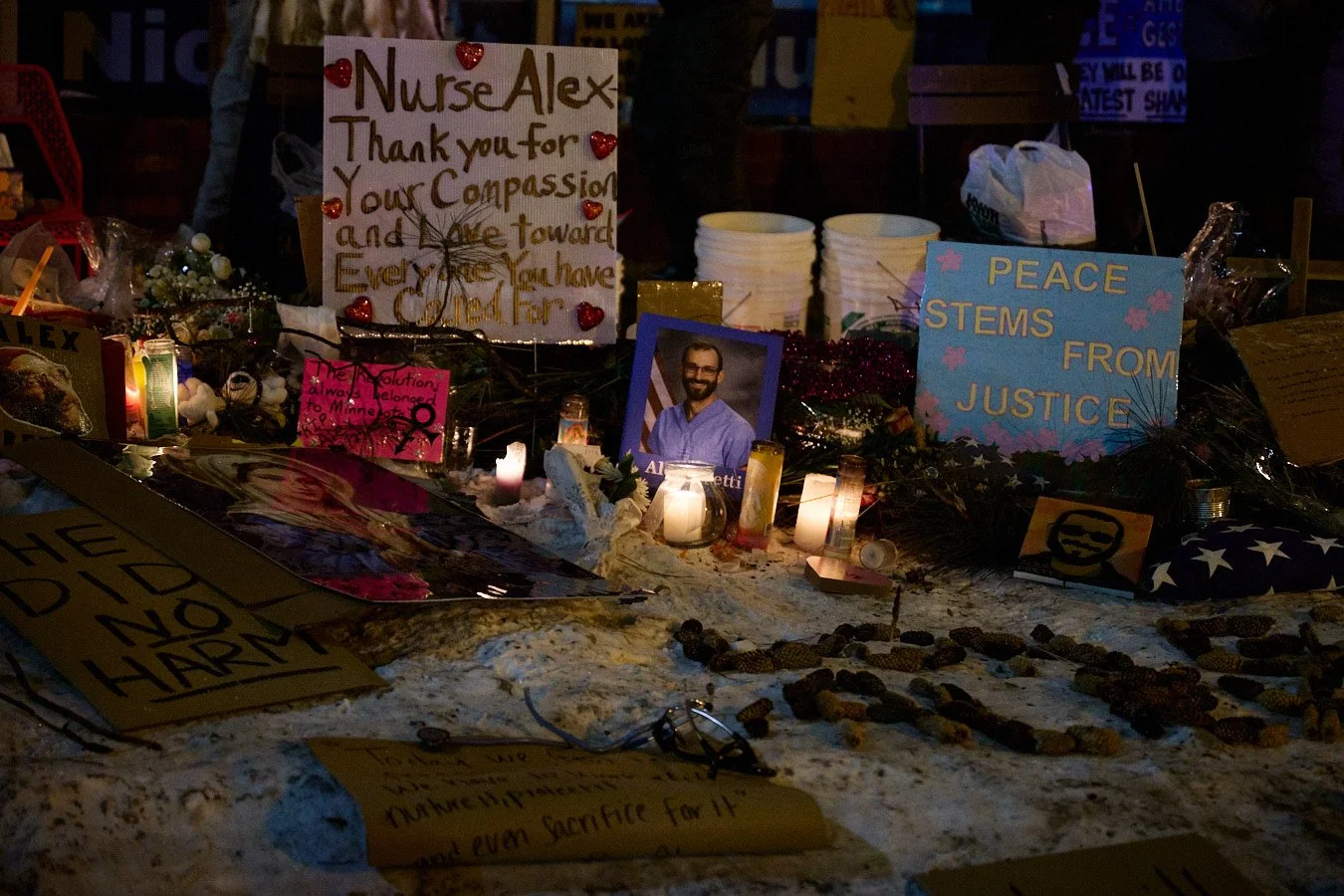
On Jan. 24, a VA nurse named Alex Pretti was killed while appearing to intervene on behalf of a woman. In the aftermath, he too was disparaged by administration figures and by many of the same voices that claim to be quite concerned by a “crisis of masculinity.” Is that last bit irrelevant? Anyway…
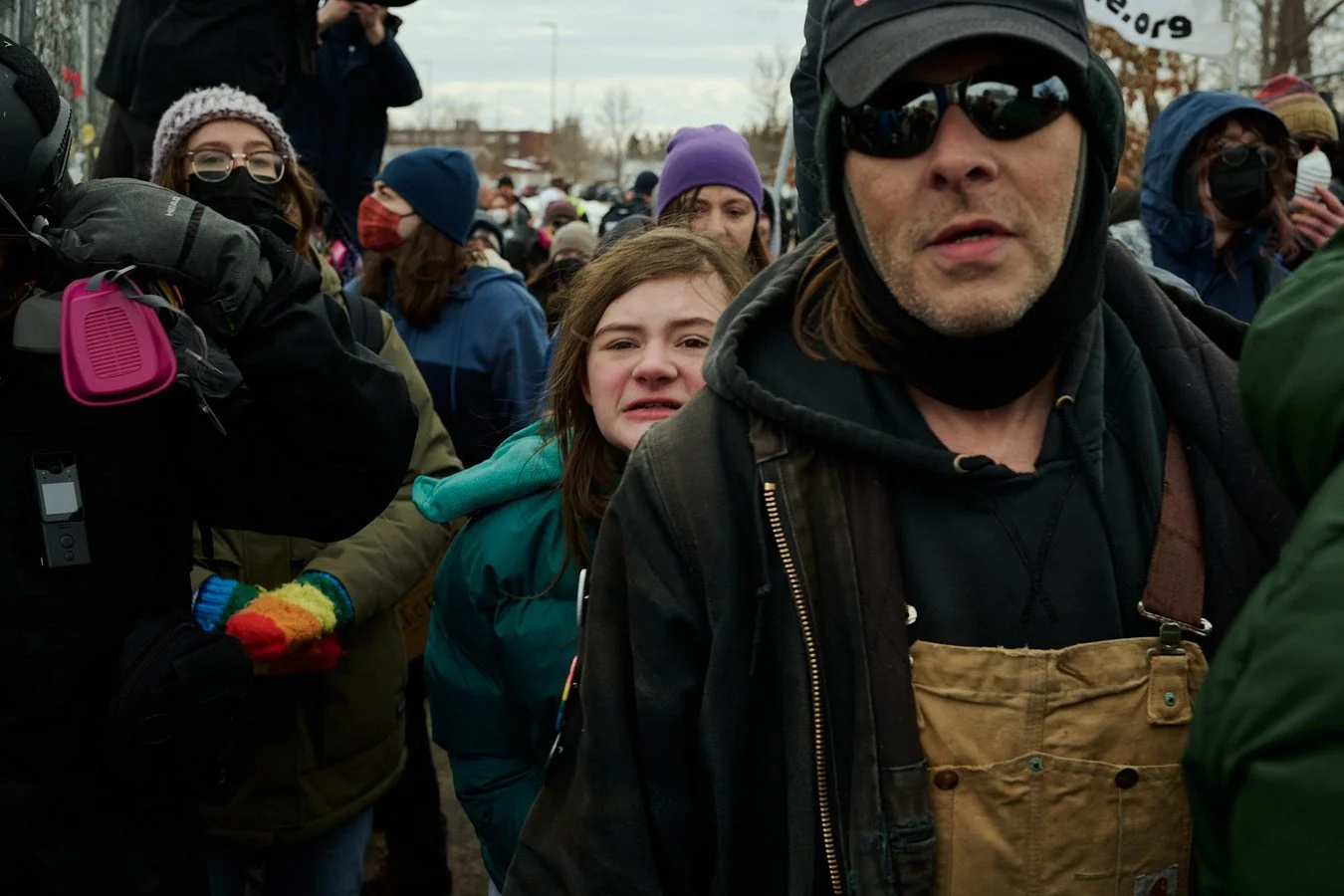
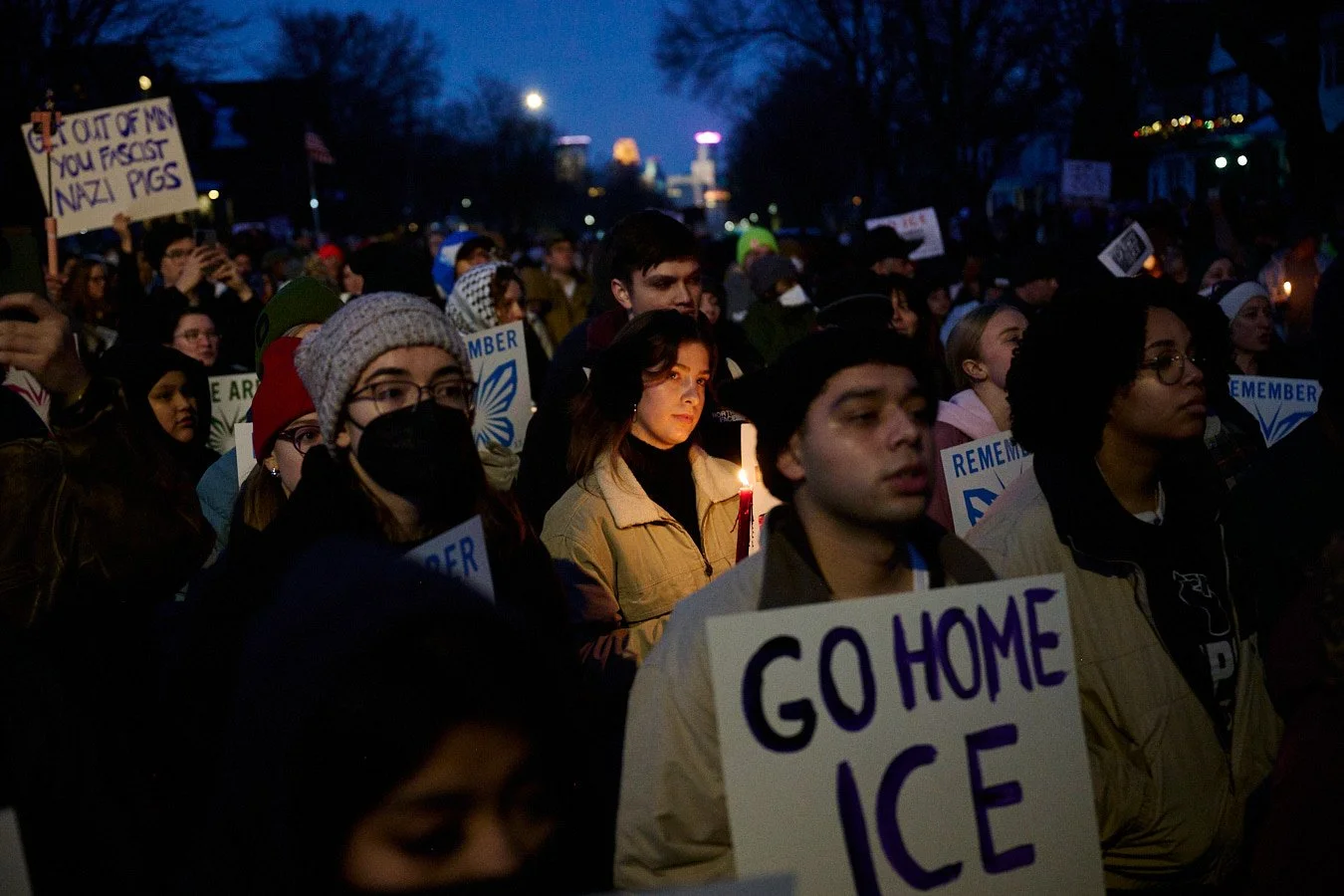
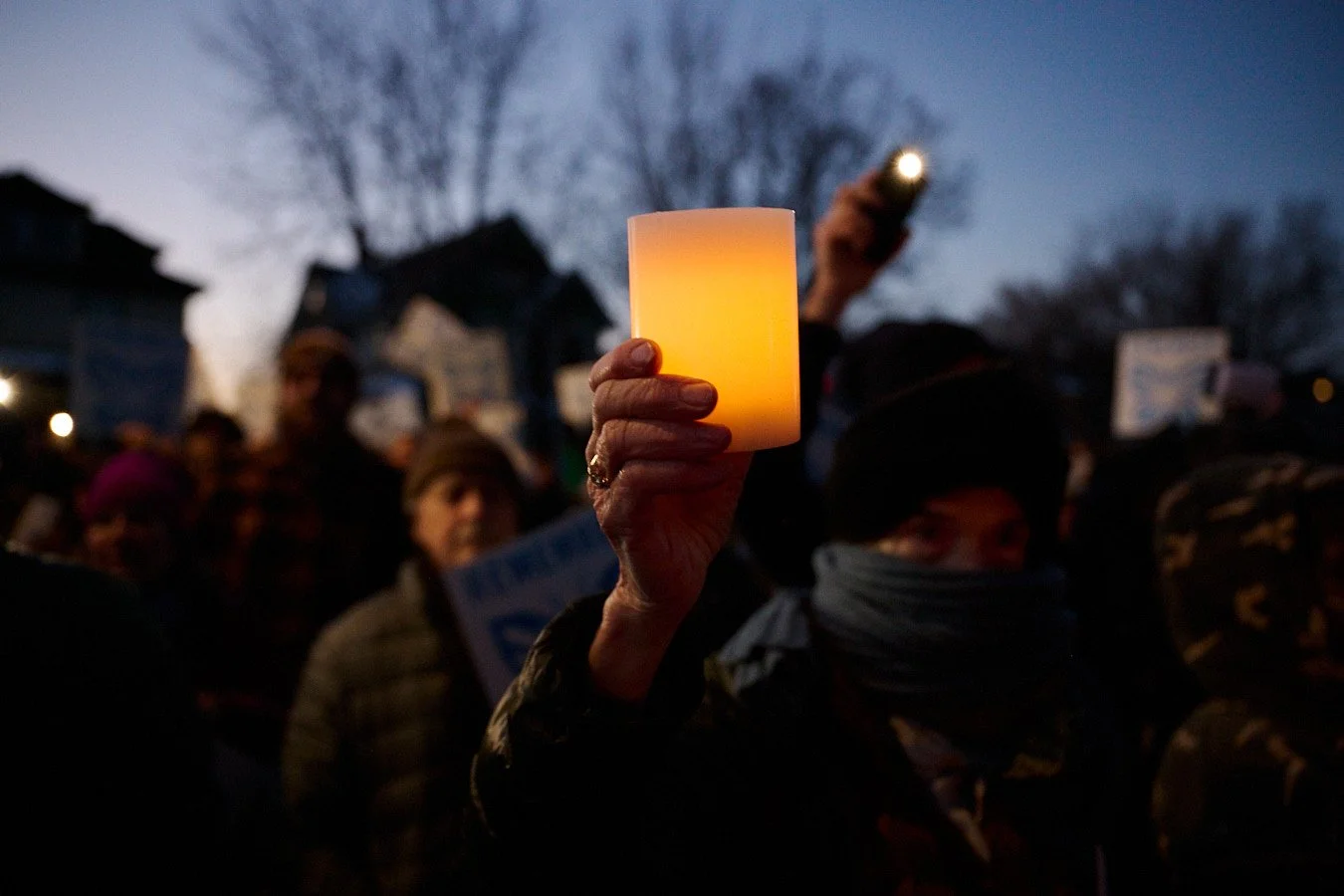
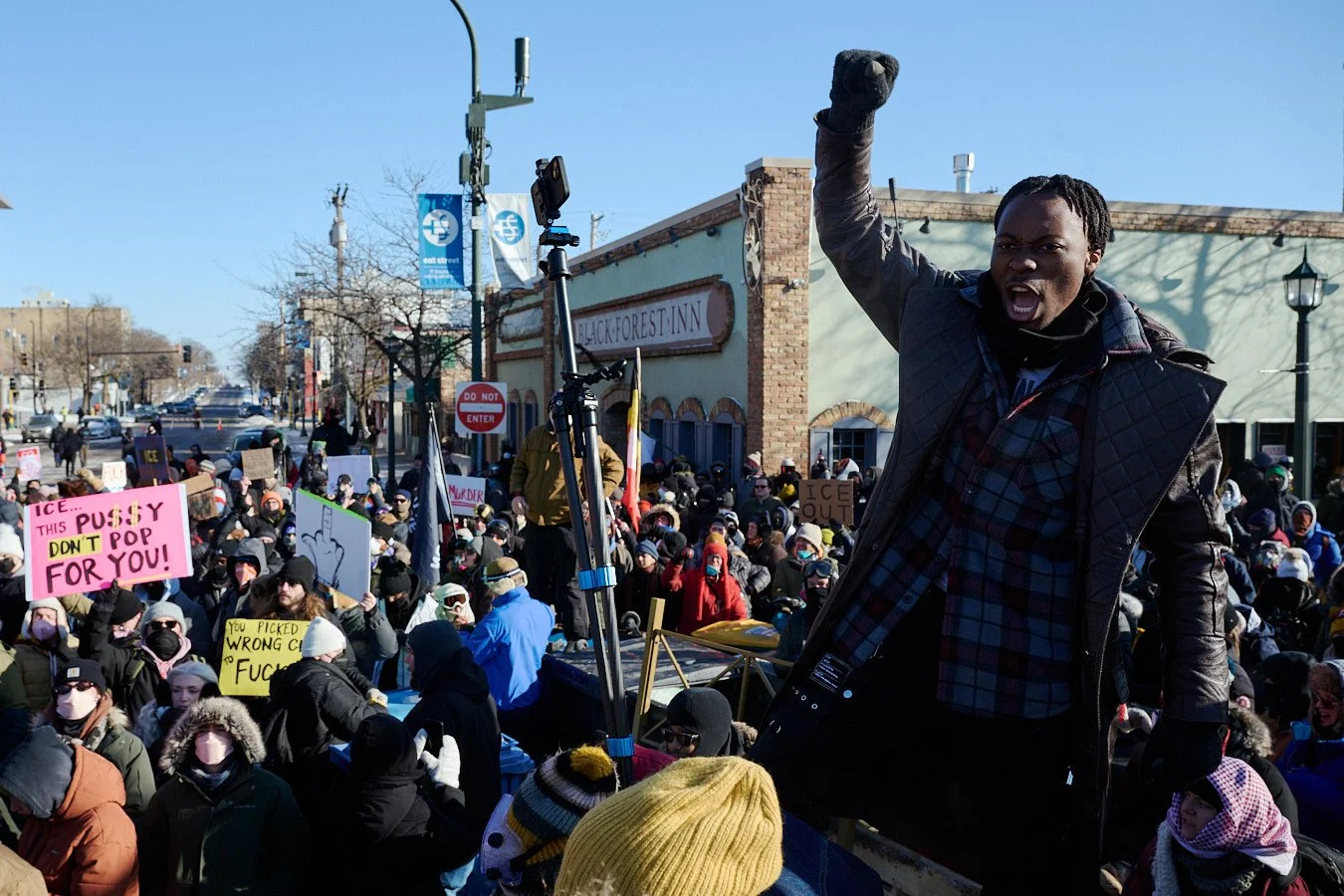
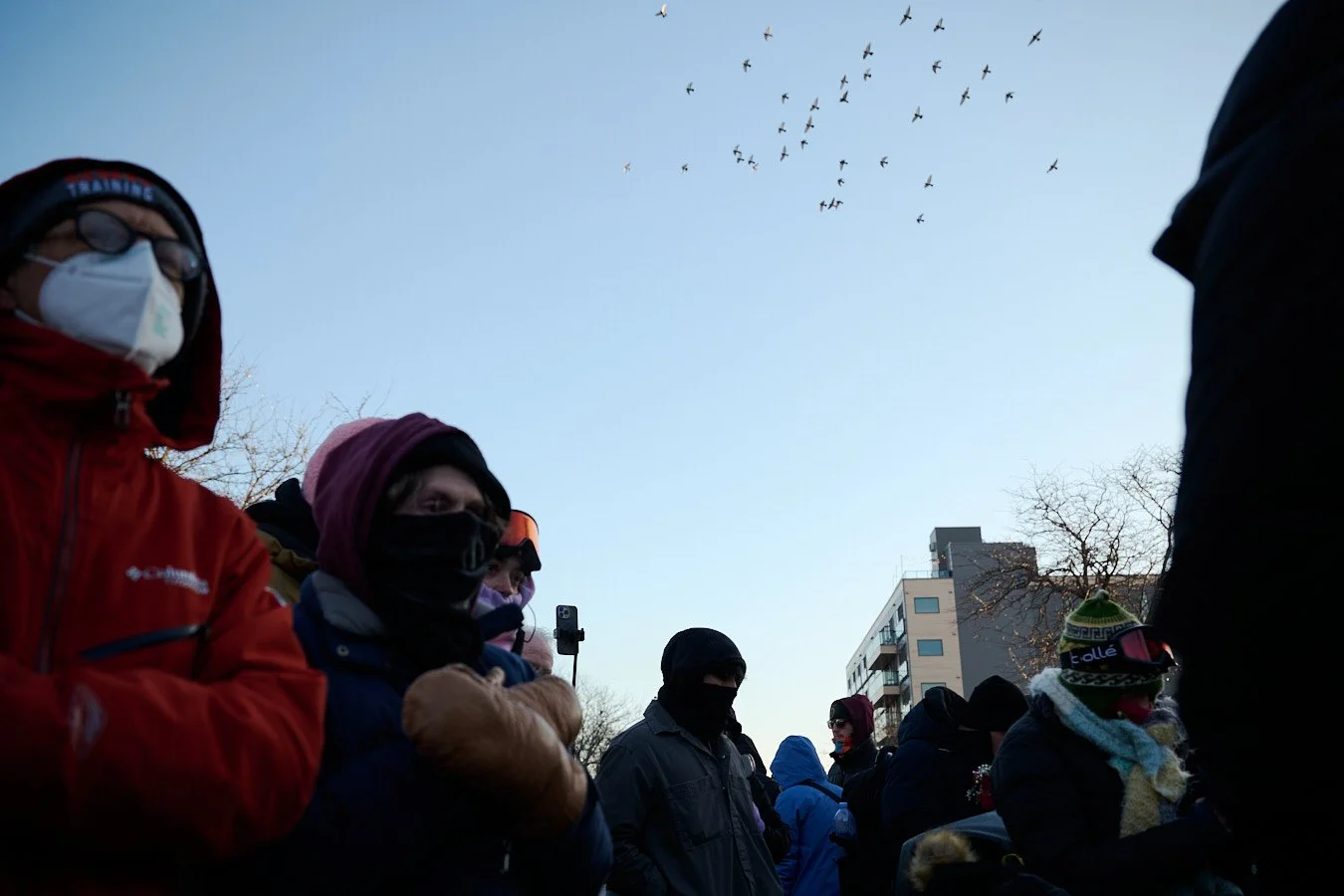
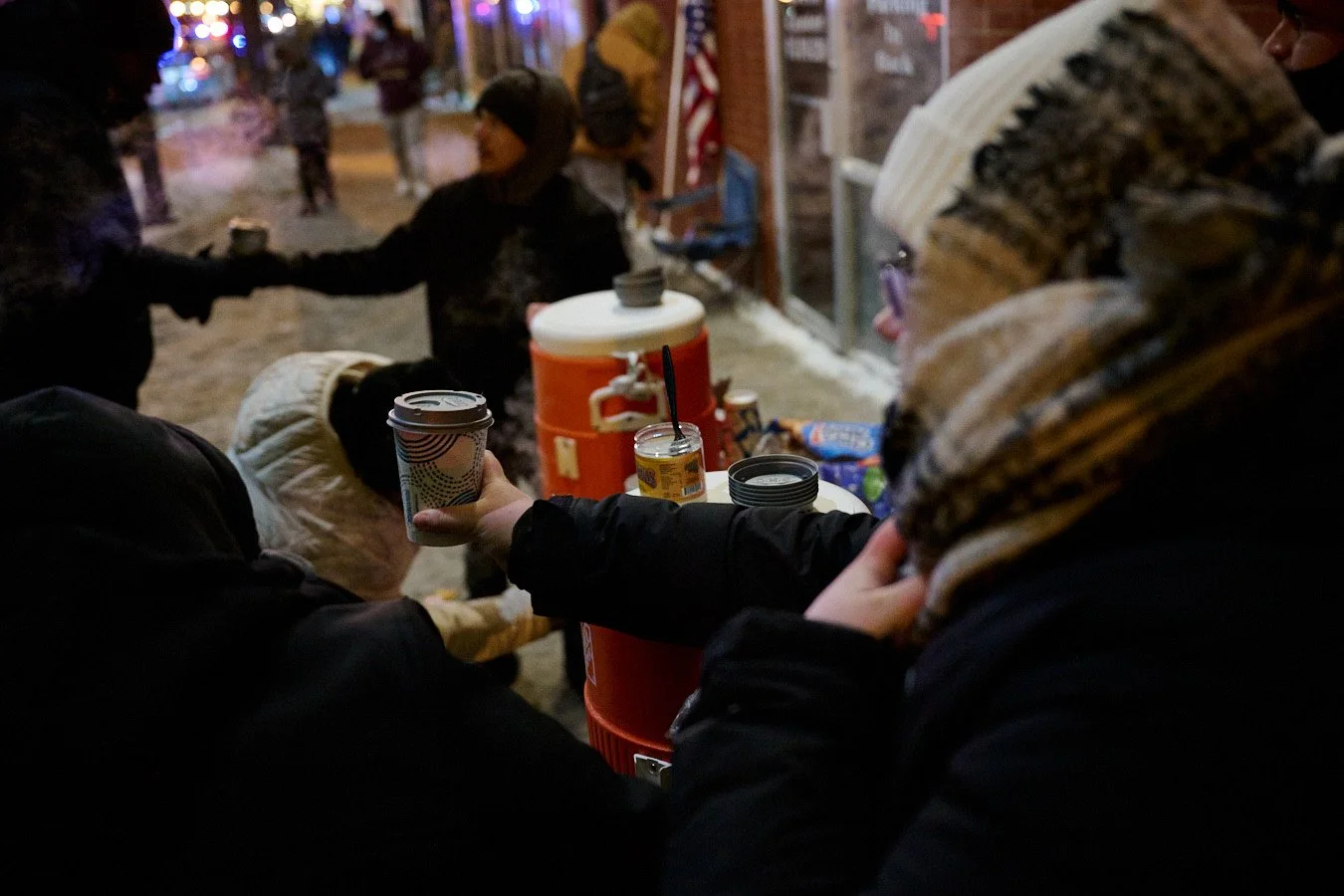
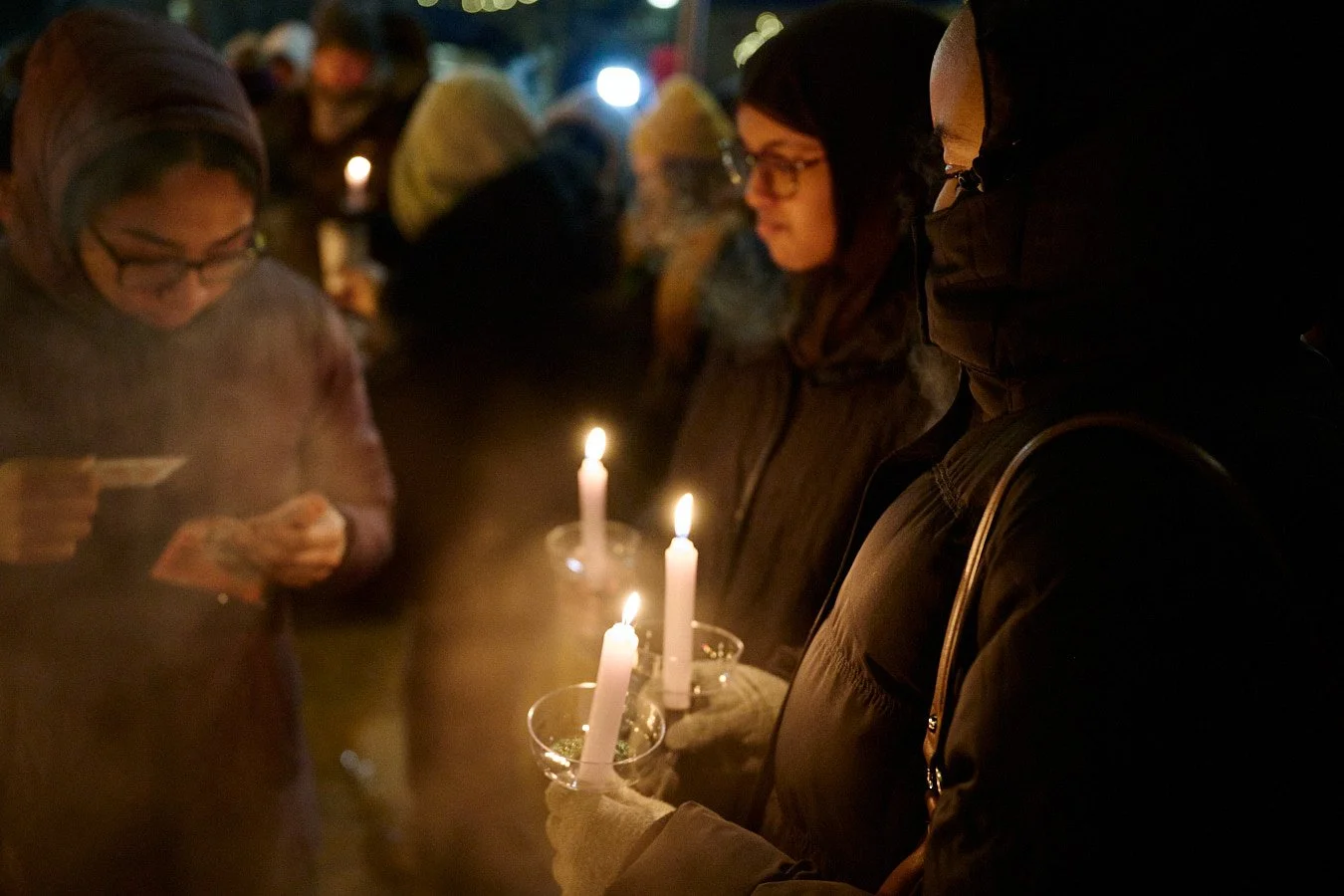
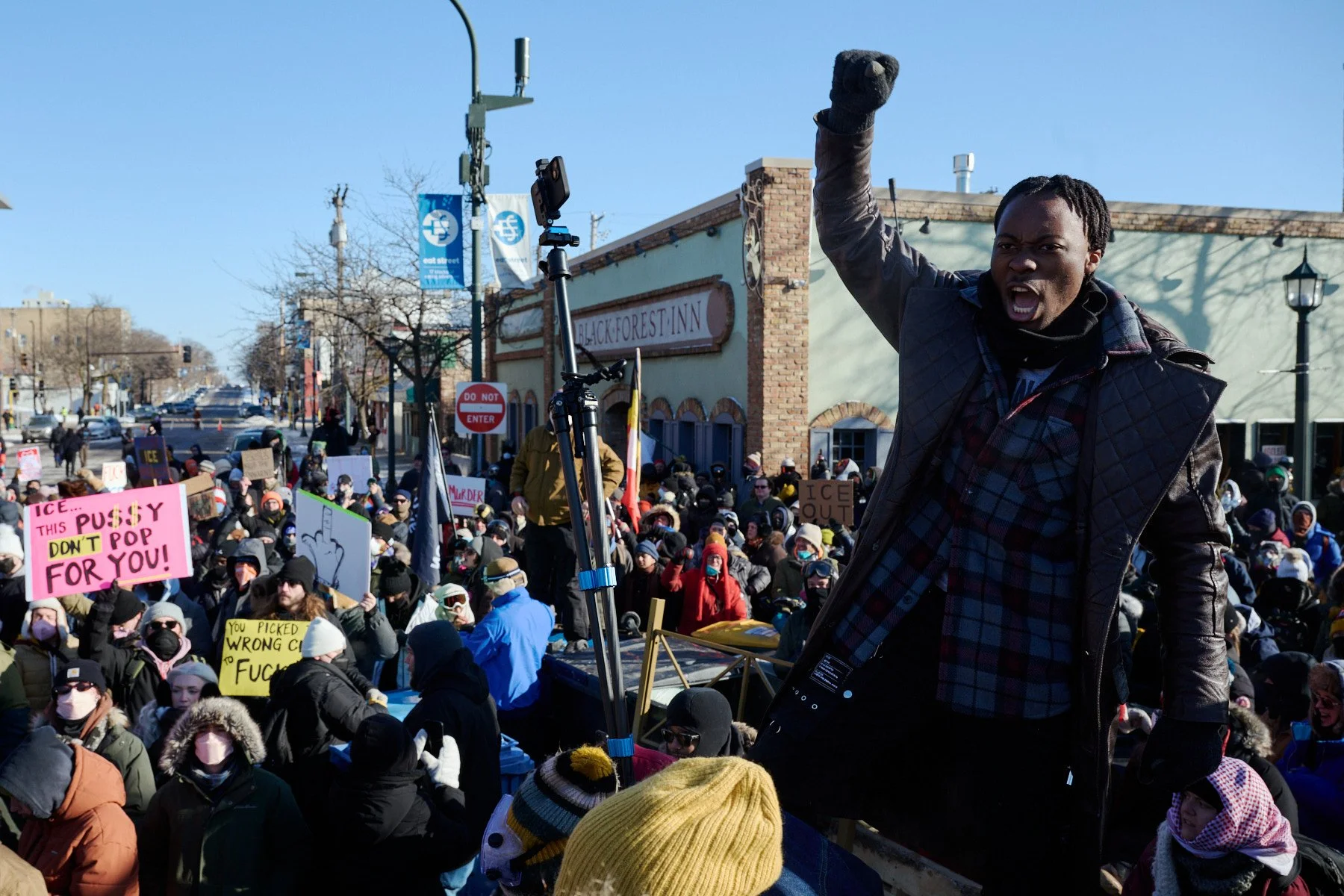
Despite all this, the community has remained resilient and unified in solidarity, helping each other and operating through informal networks of care.
As of Feb. 1, more than 3,000 people have been arrested since Operation Metro Surge began, according to Immigration and Customs Enforcement. DHS has a “worst of the worst” page on their website, where they highlight detainees charged with the most extreme crimes. However, multiple news investigations and state officials have raised significant concerns that a substantial portion of those cases were custody transfers, not new street arrests. Most individuals arrested under Metro Surge do not appear on any publicly accessible federal roster.
After Alex Pretti’s killing, DHS cast Greg Bovino aside, plugged in Tom Homan, and floated a conditional de-escalation tied to state cooperation, while Attorney General Pam Bondi simultaneously pressed Minnesota for policy changes and access to state data, including voter rolls.