ICE in Minneapolis - 2026
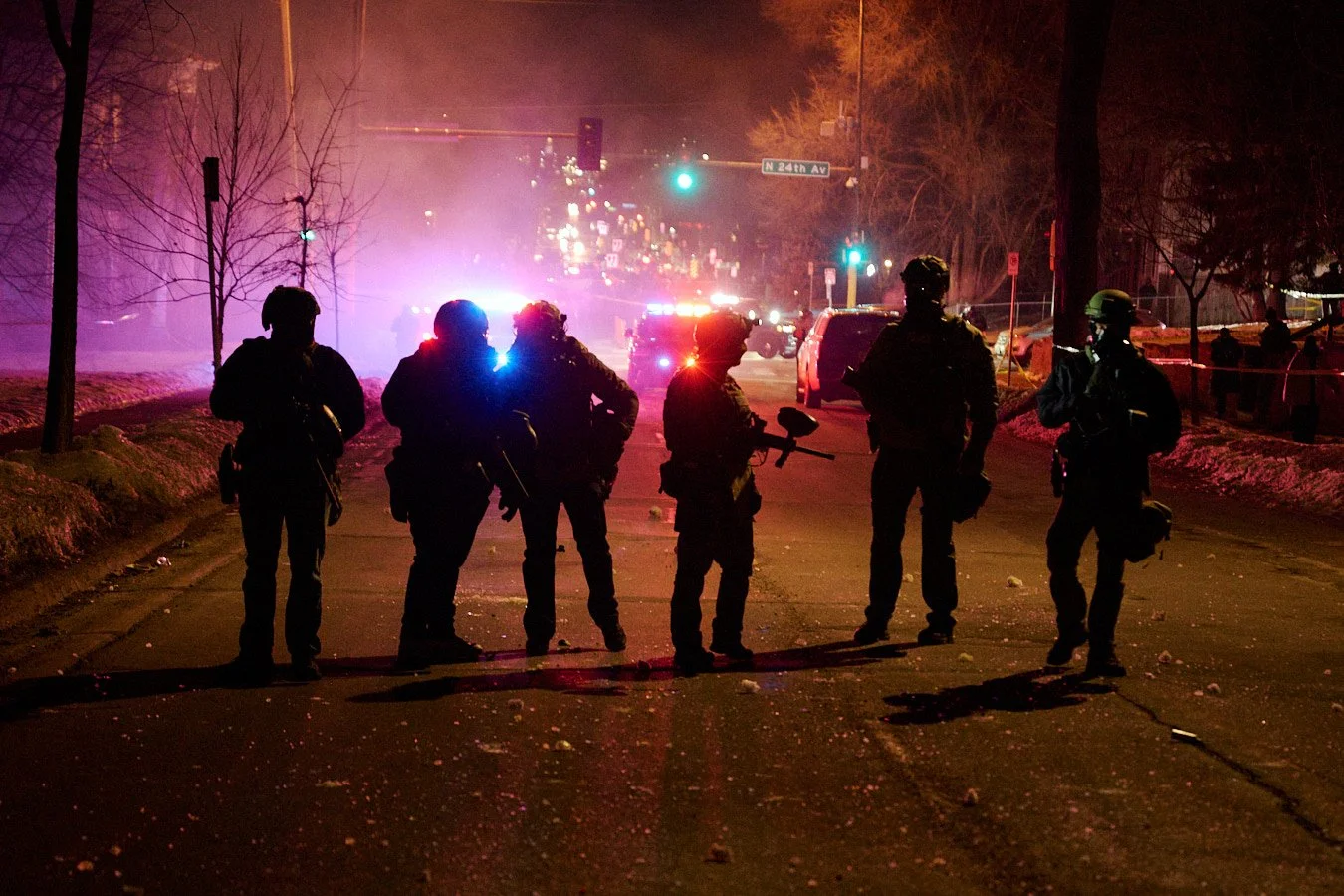
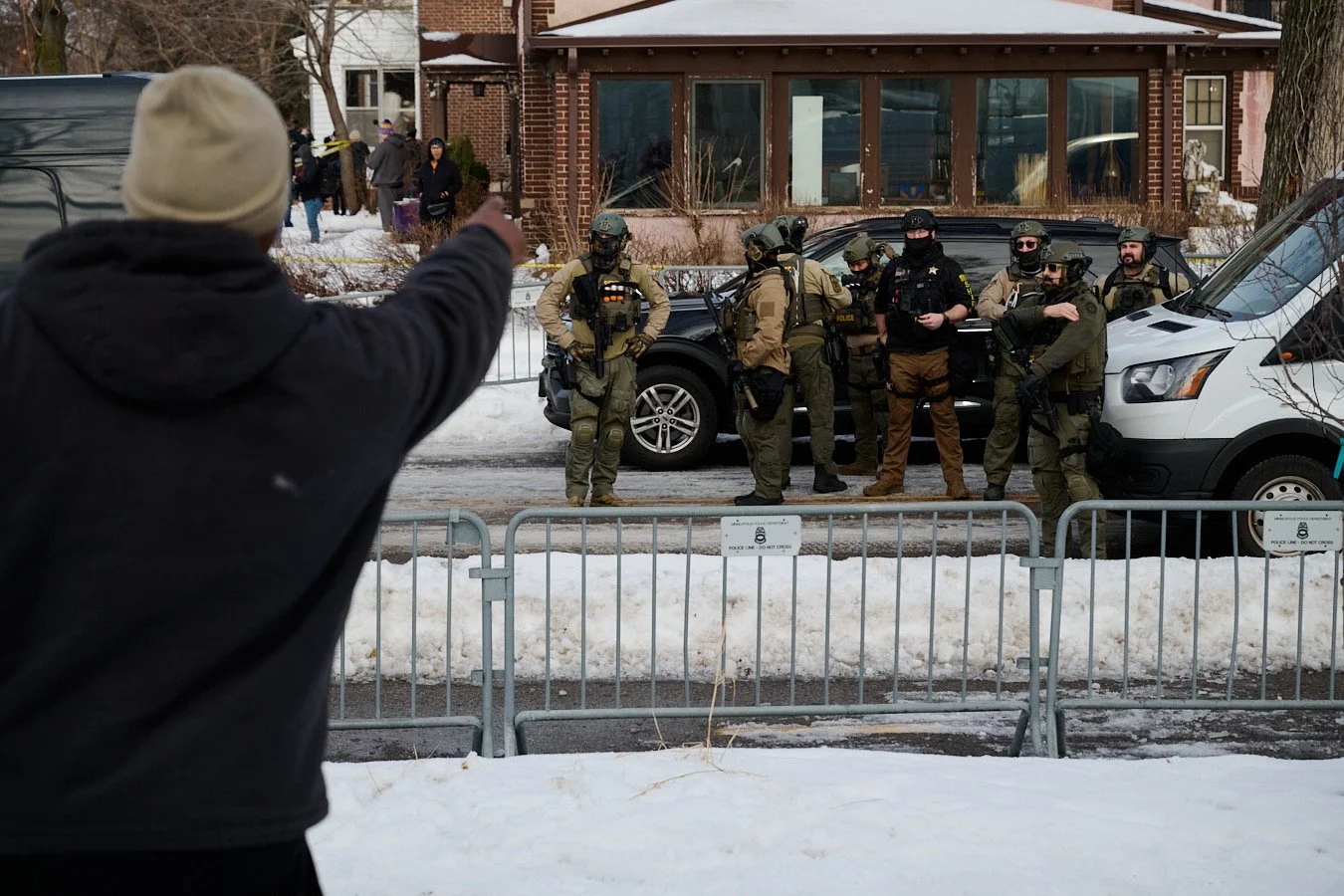
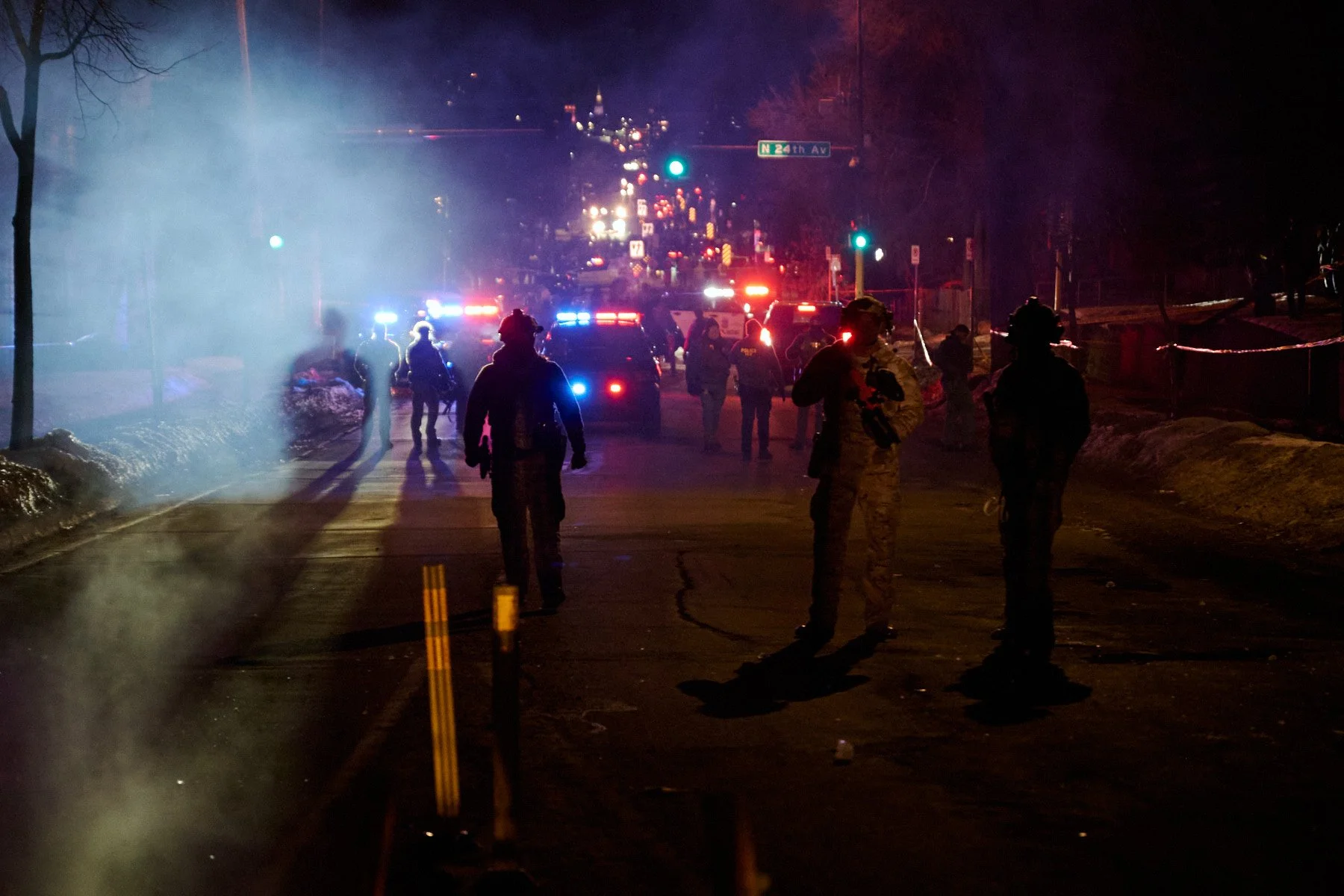
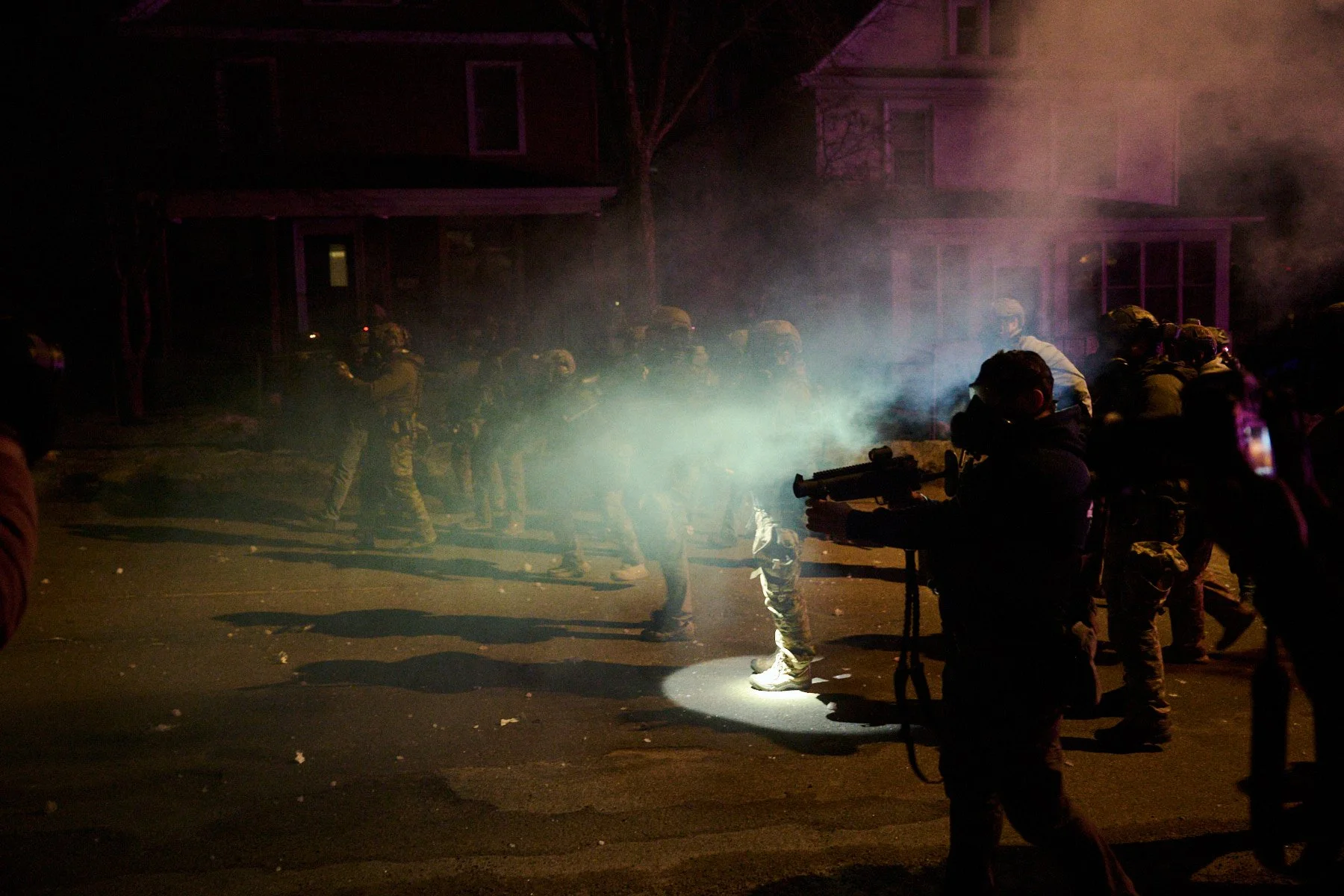
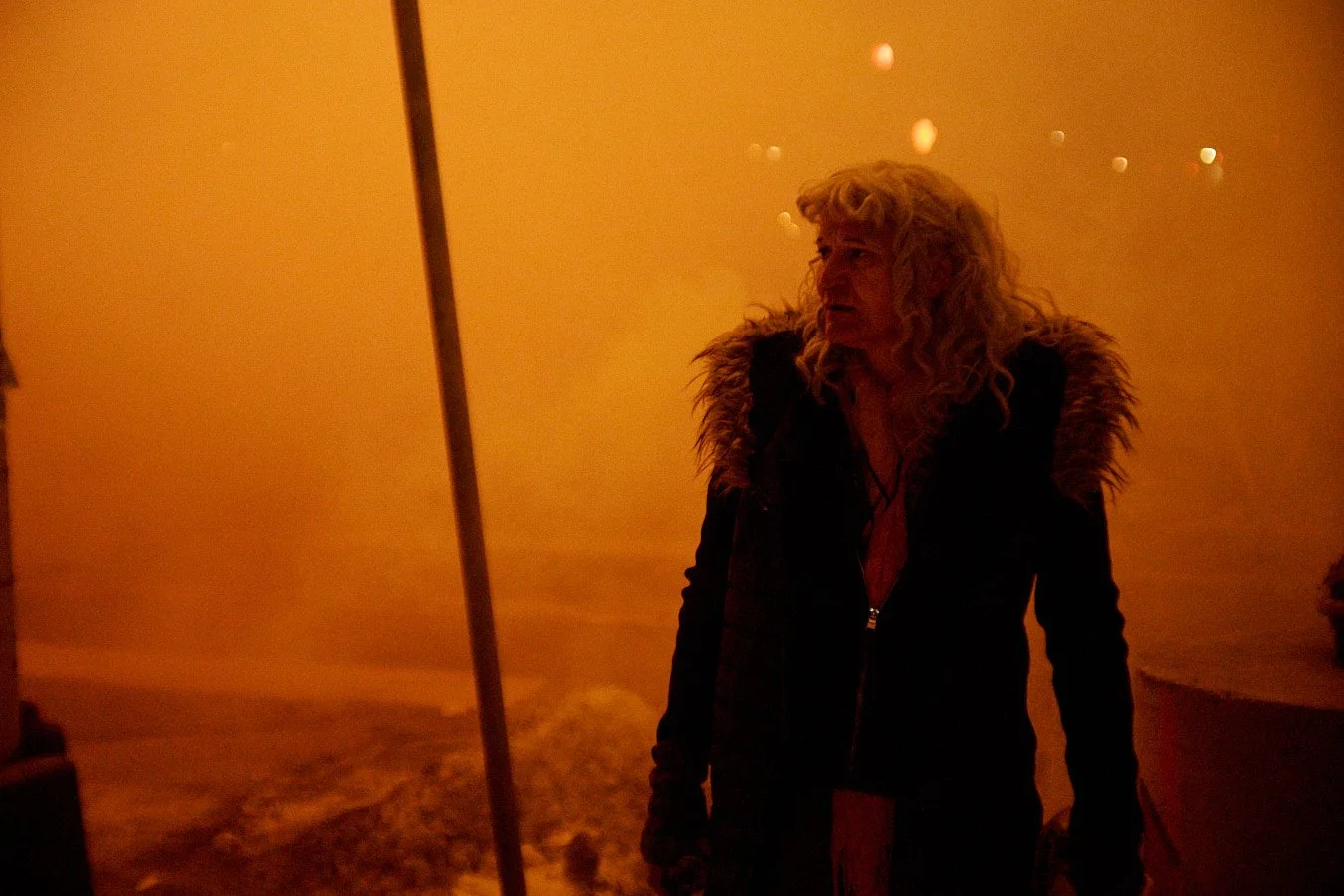
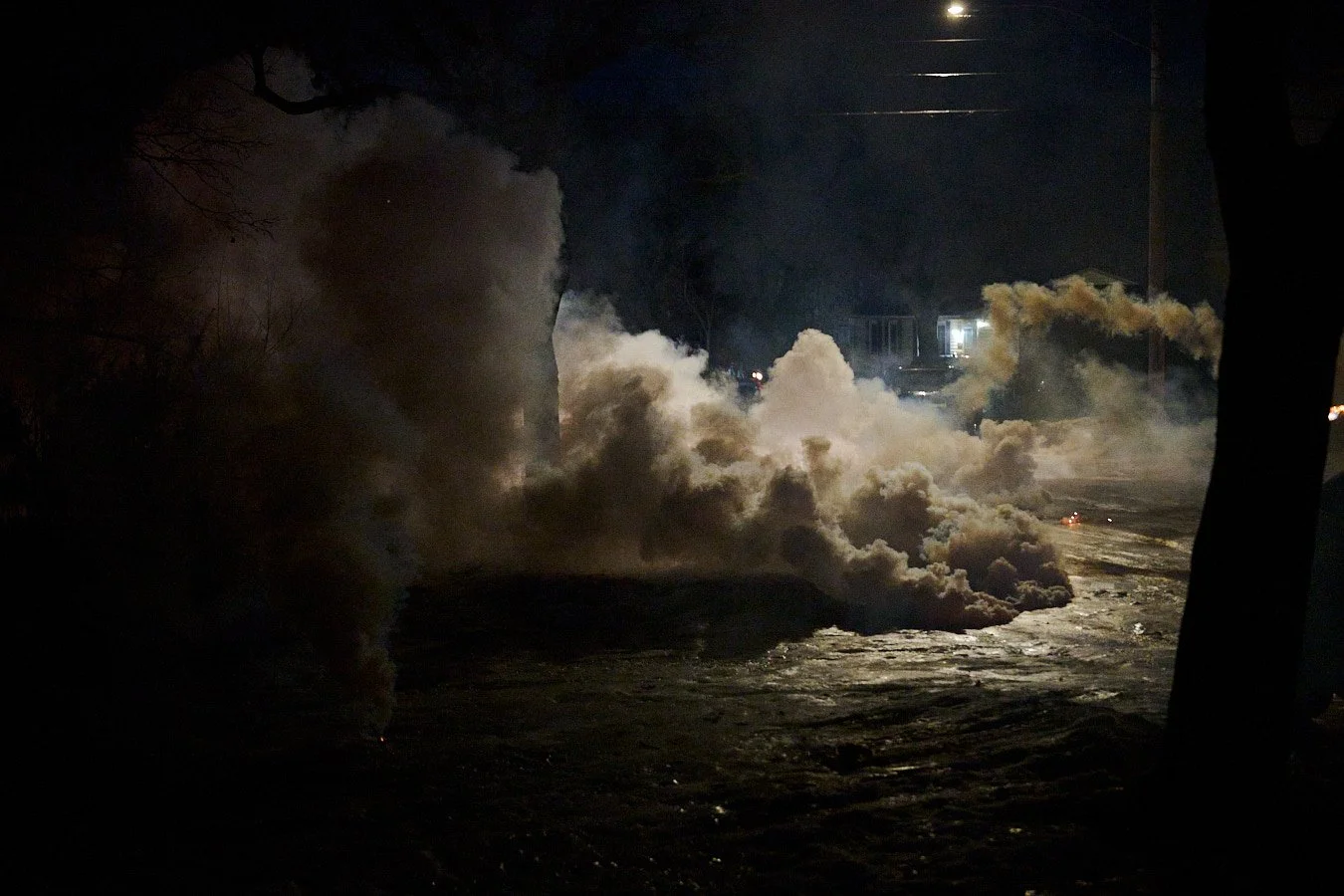
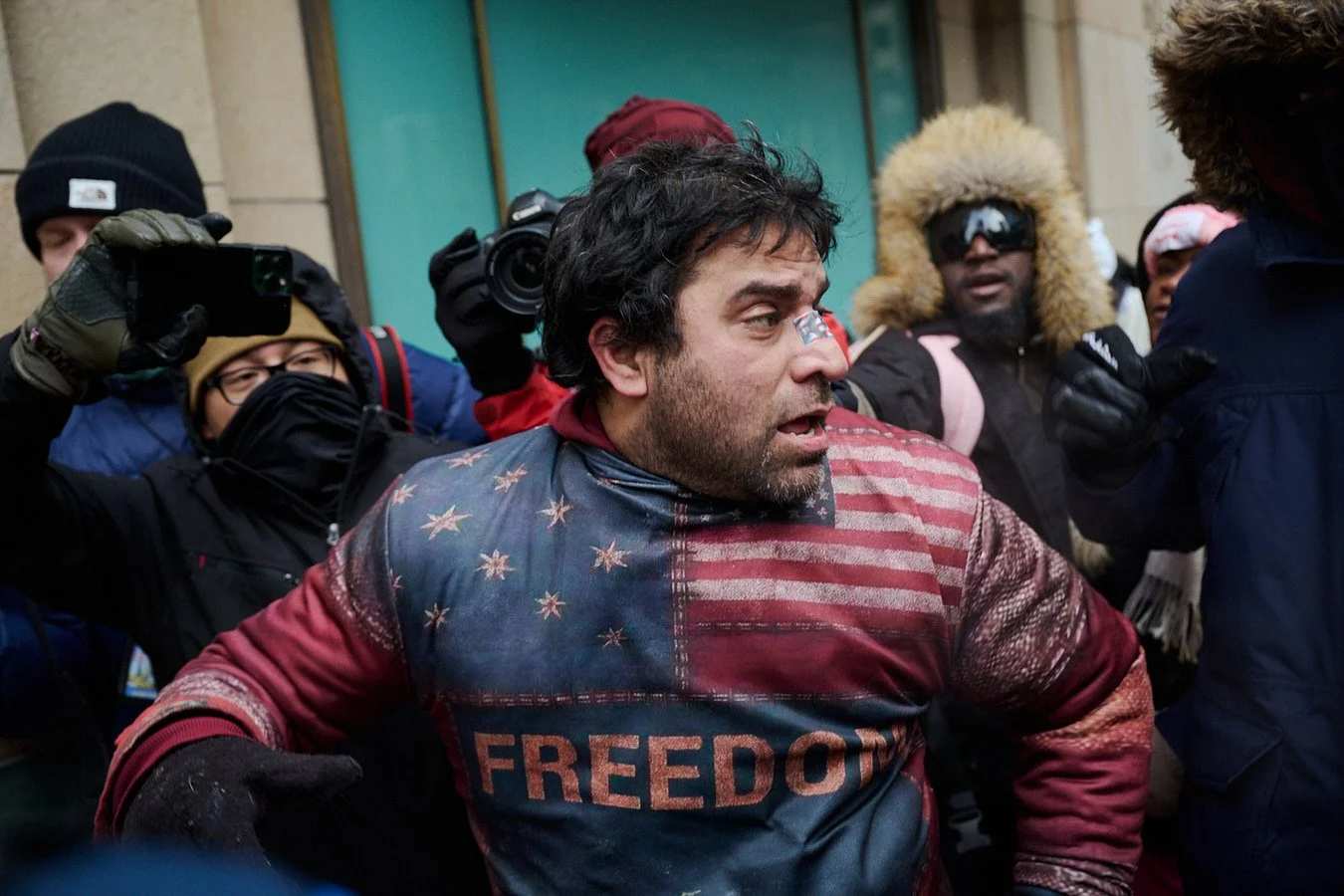
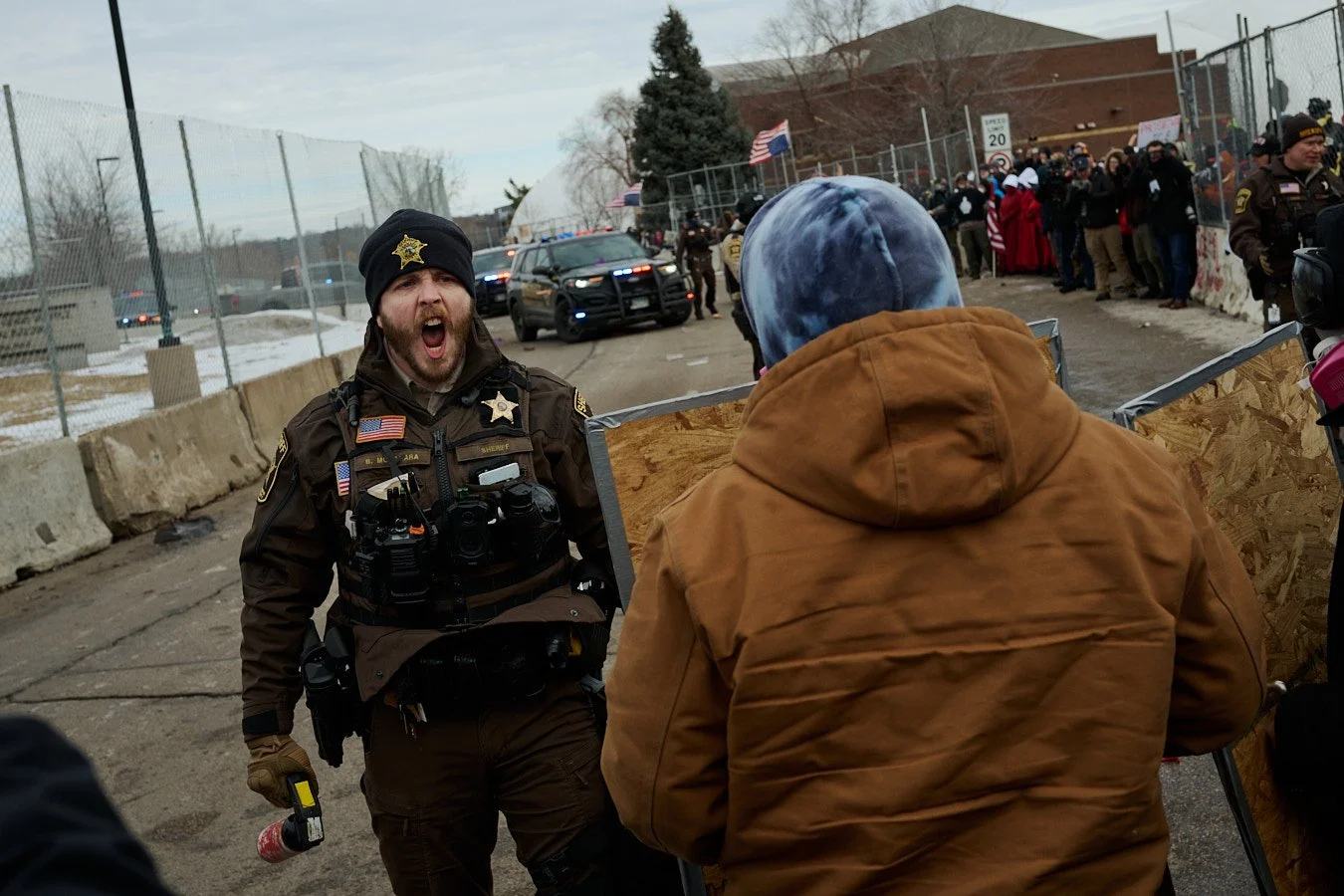
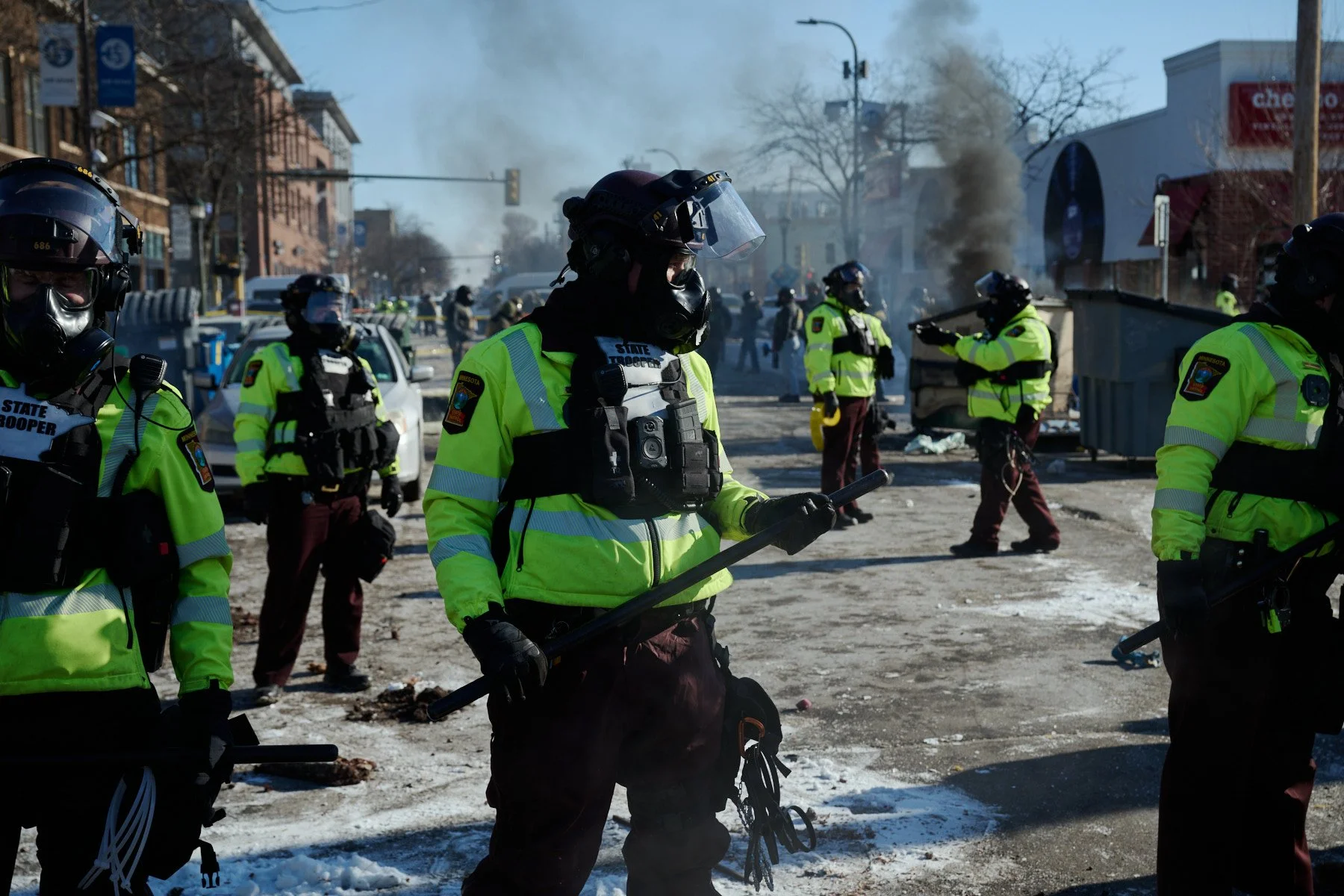
It was a disorienting January. Driving through south Minneapolis with the window down and the radio off, you might have heard whistles in the distance—or wondered if you imagined them. Federal immigration enforcement activity intensified across immigrant-dense neighborhoods, with agents conducting arrests and entering homes amid disputes about warrants and legal authority. In response, many residents began avoiding public spaces, skipping medical appointments and grocery stores, and relying on informal networks of support within their communities. Some children stopped attending school.
Midway through the month, I stopped for gas at a station in south Minneapolis. The attendant told me a young woman had just come in crying and shaking, saying an ICE officer had pointed a gun in her face. The attendant said she came around the counter and hugged her.
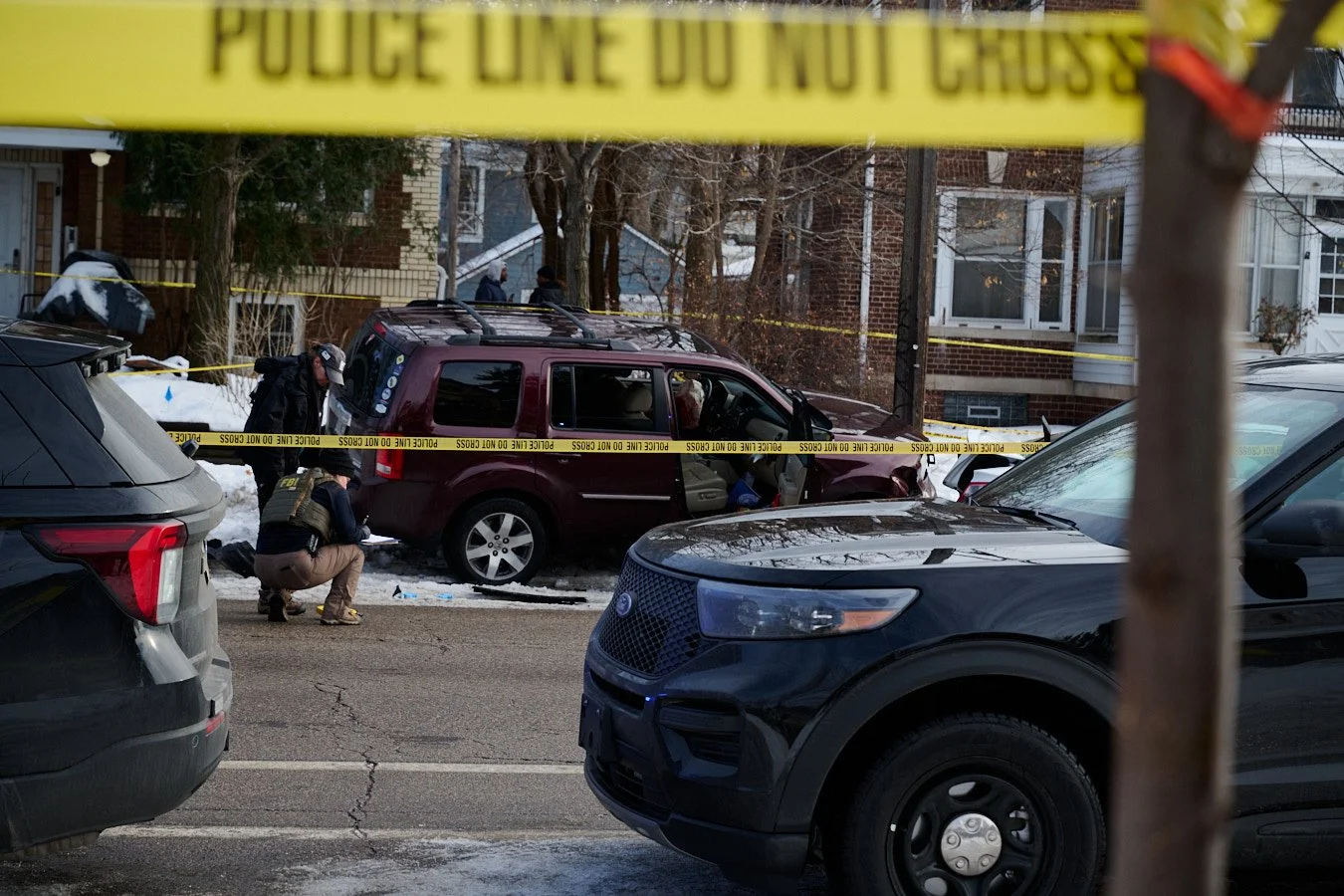
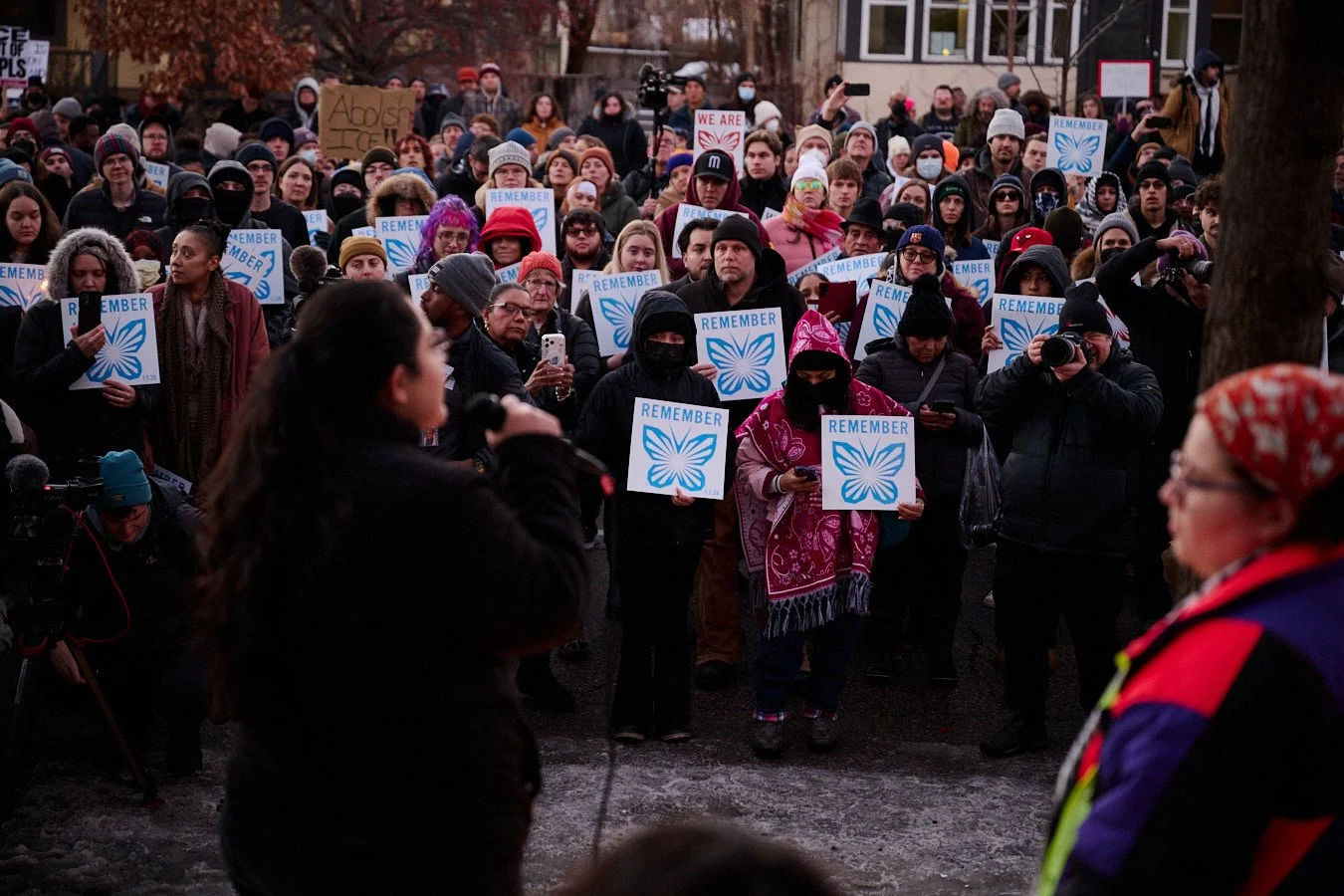
On Jan. 7, a mother and award-winning poet named Renee Good was killed, leaving behind a wife and three children. In the aftermath, she was quickly labeled a “domestic terrorist” by members of the administration before an investigation had been completed.
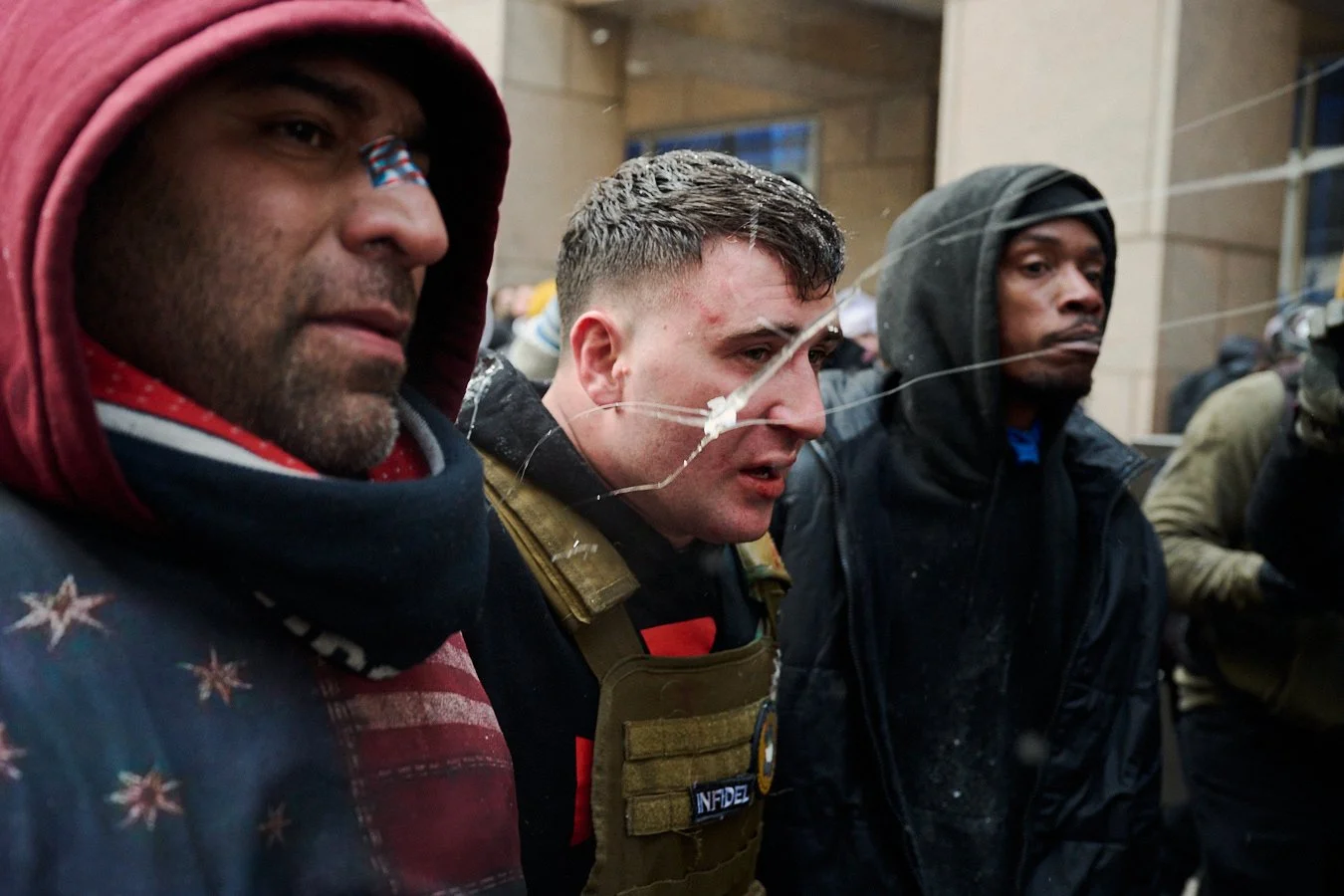
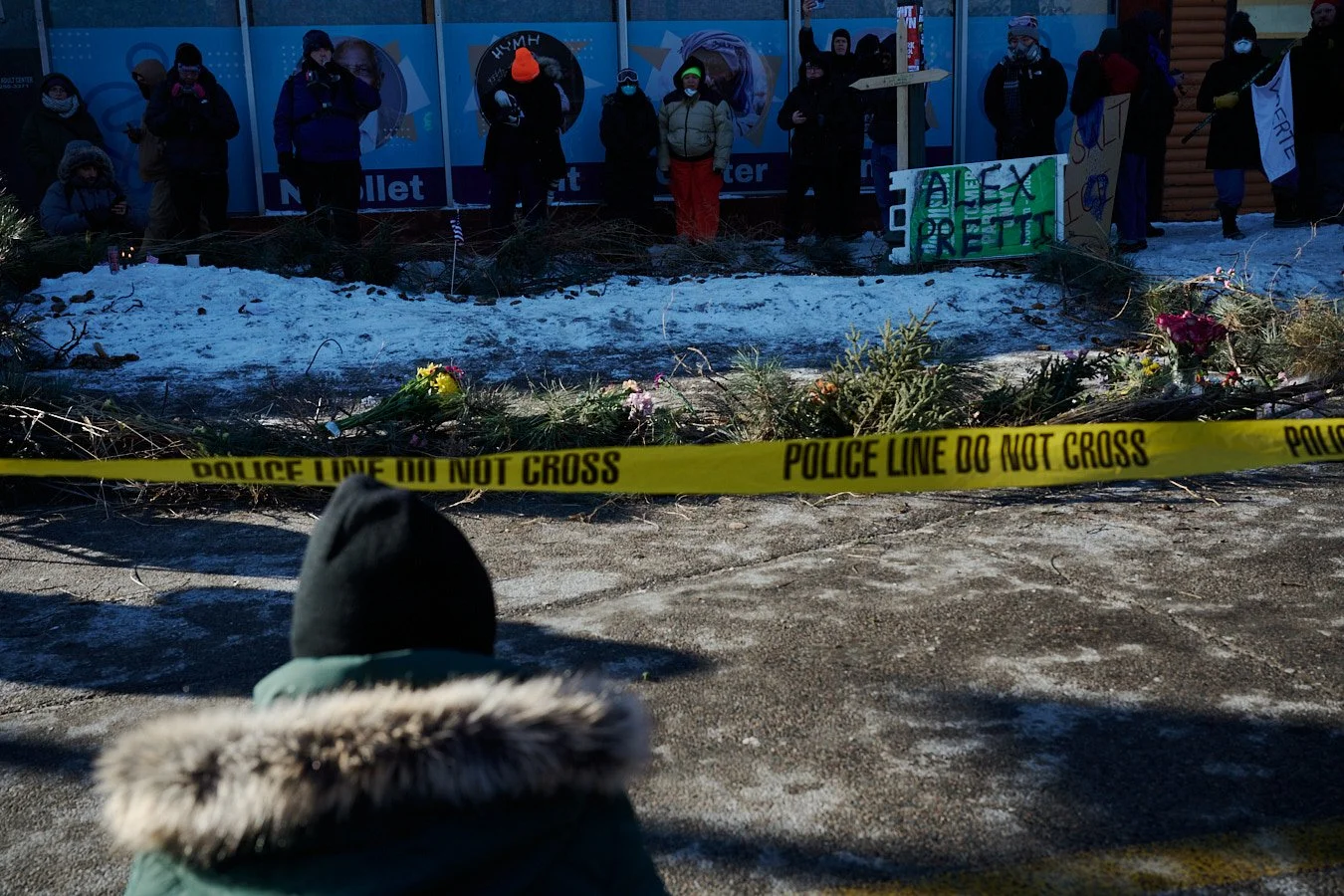
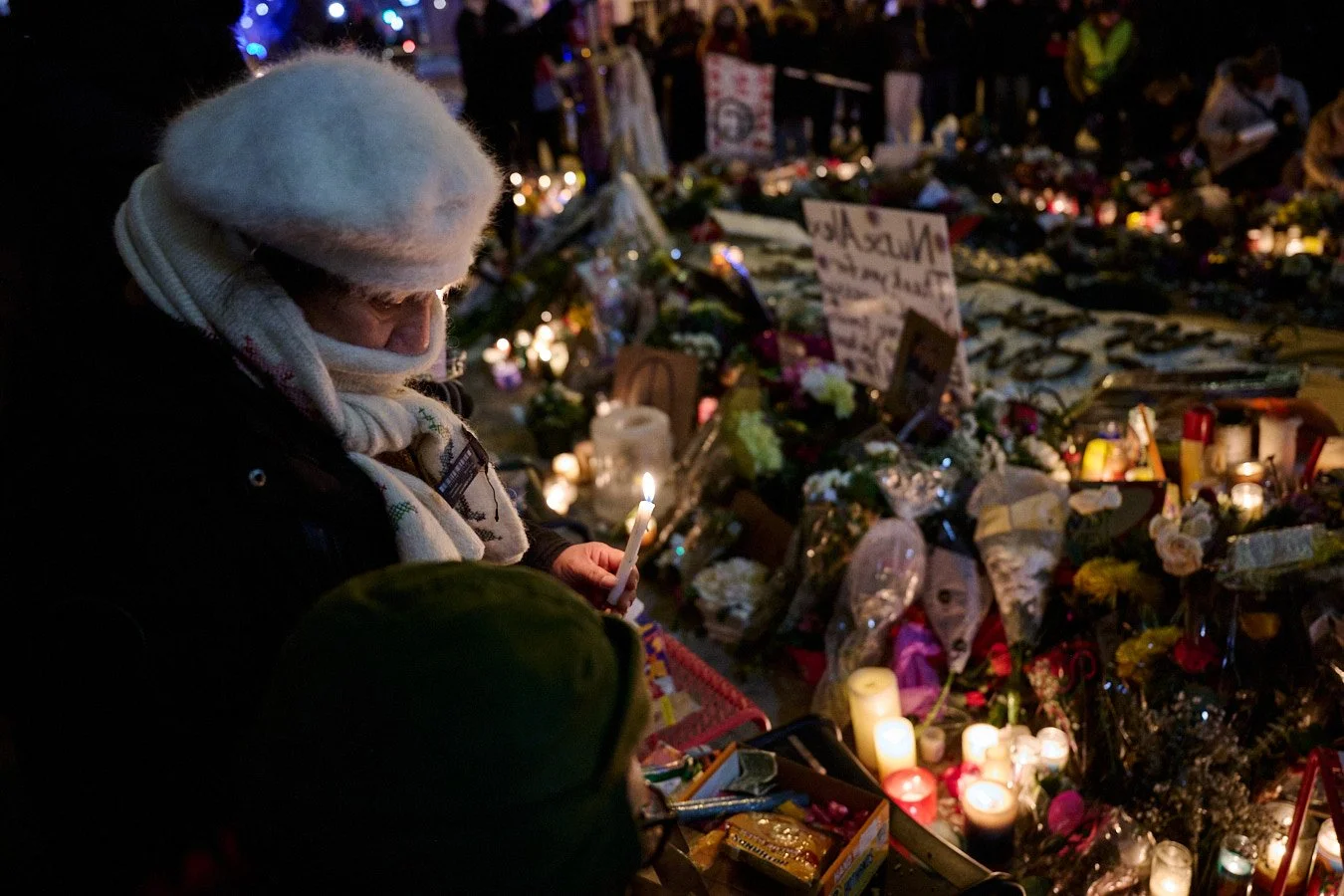
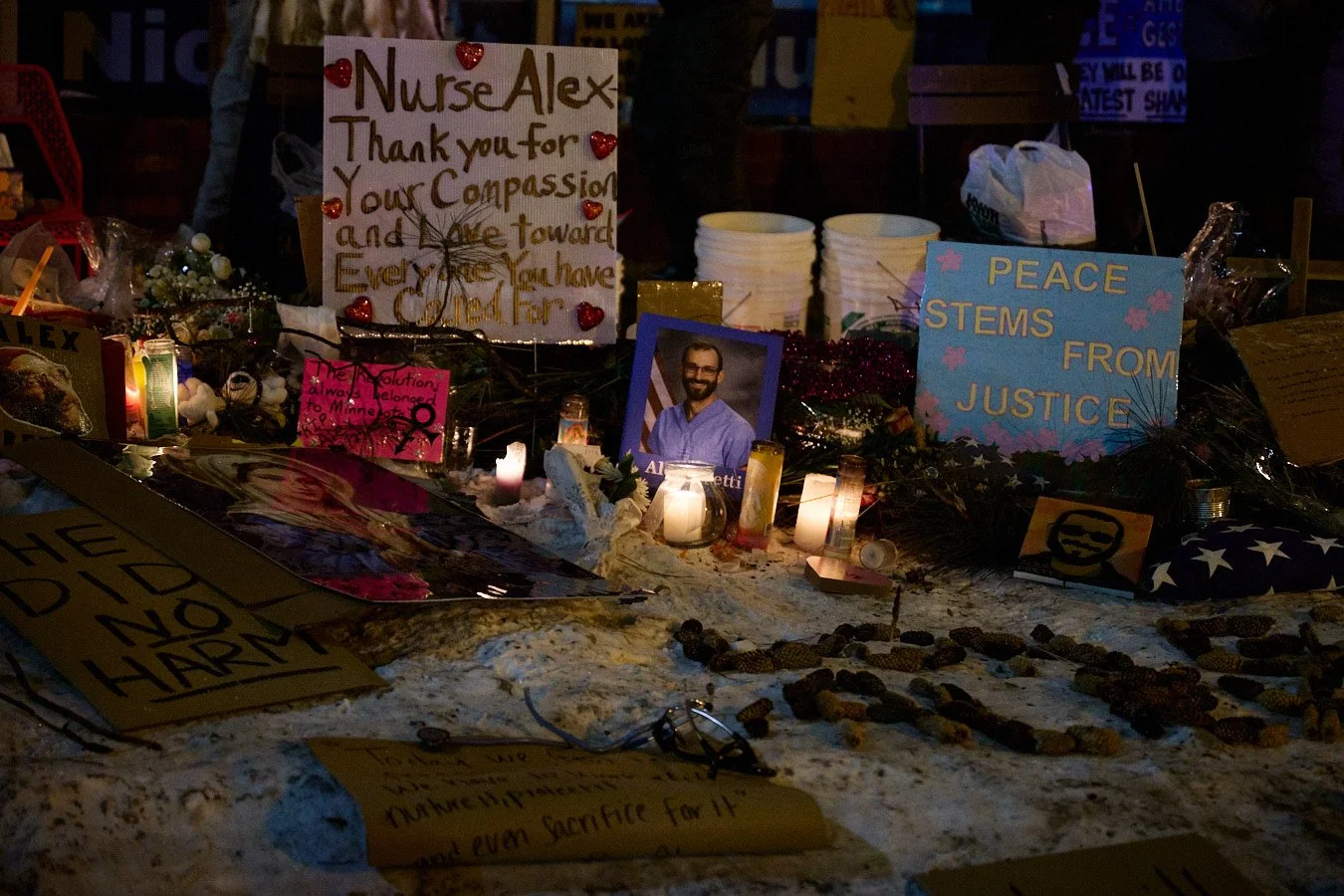
Weeks later, on Jan. 24, a VA nurse named Alex Pretti was killed while appearing to intervene on behalf of a woman during a confrontation connected to enforcement activity.
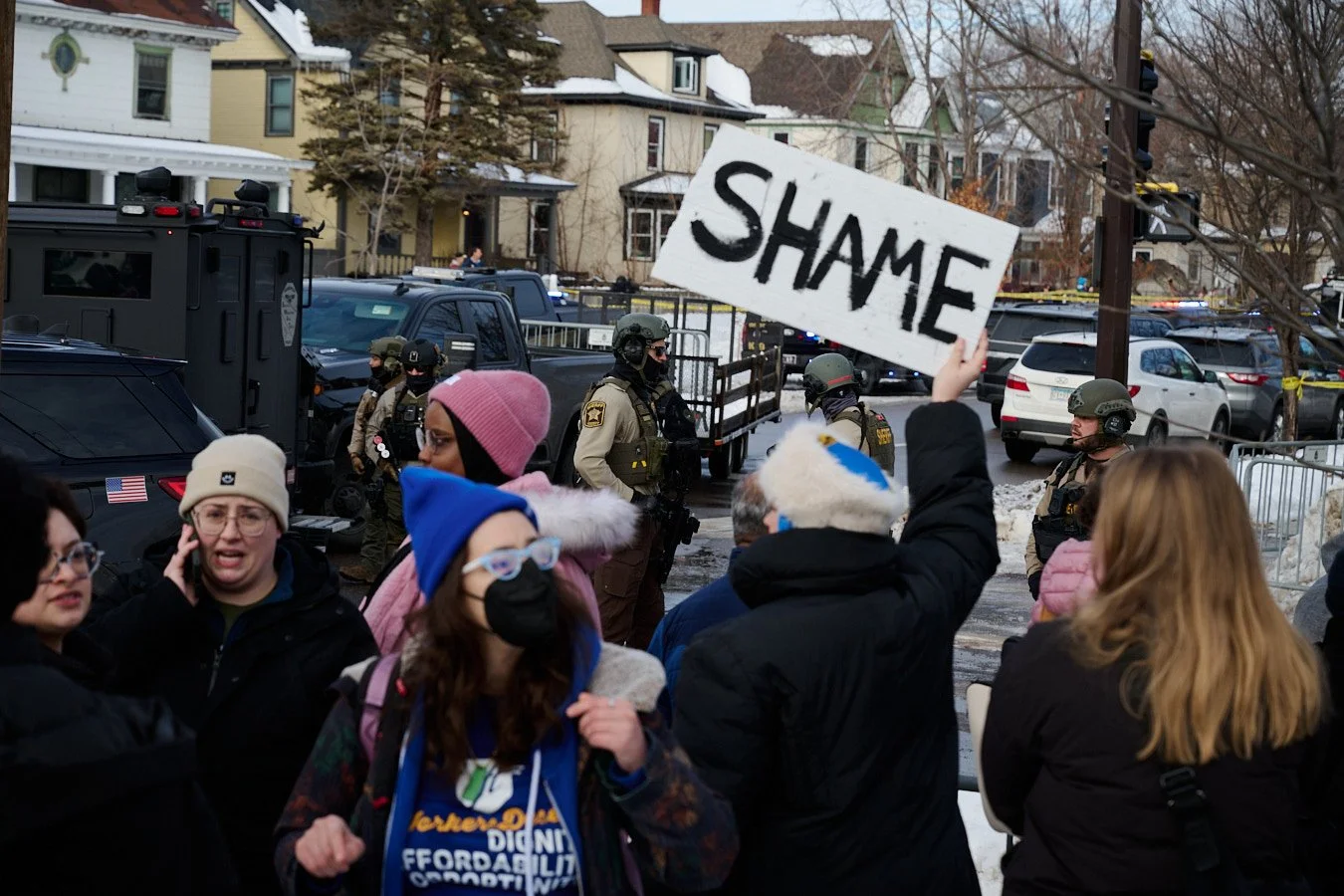
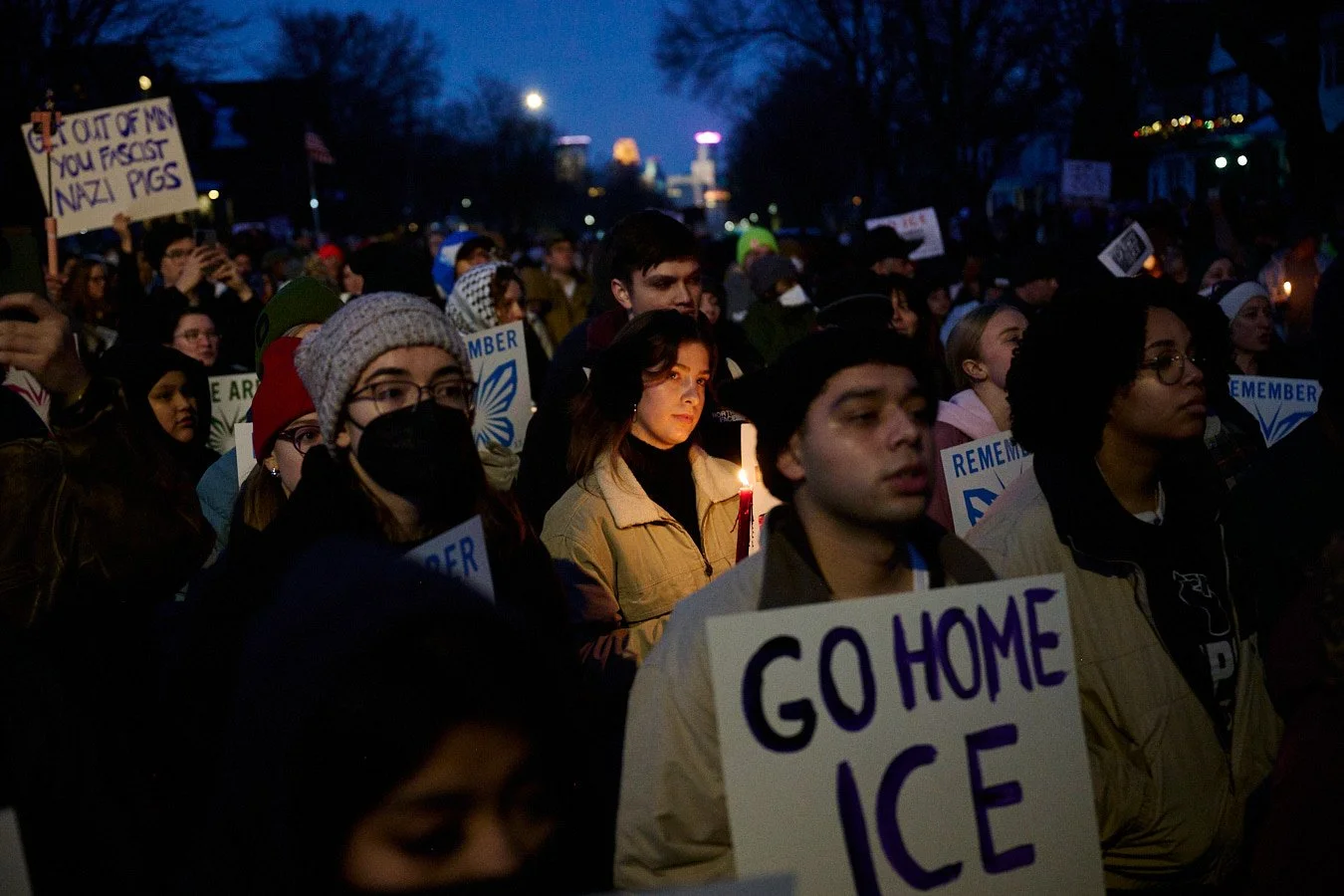
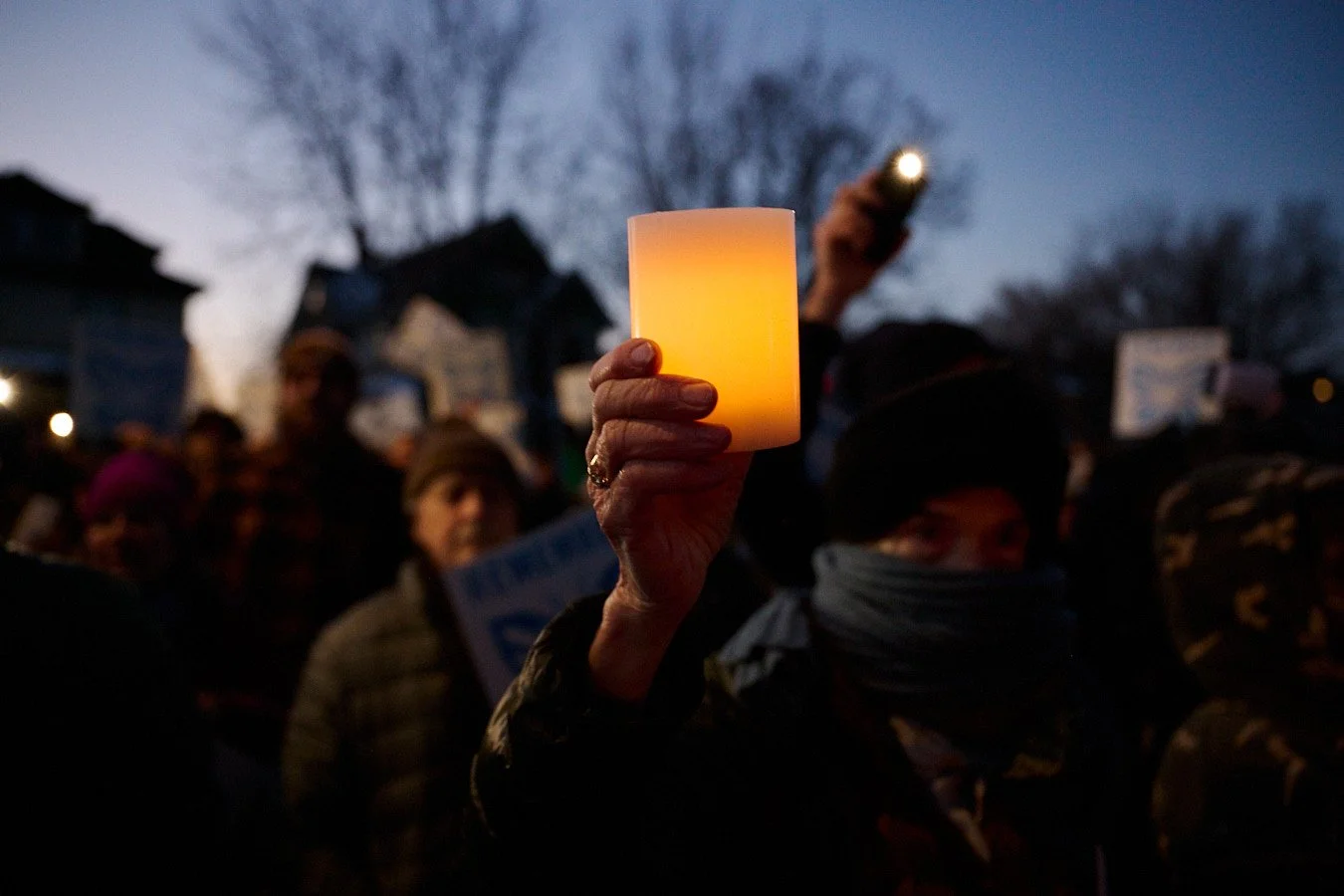
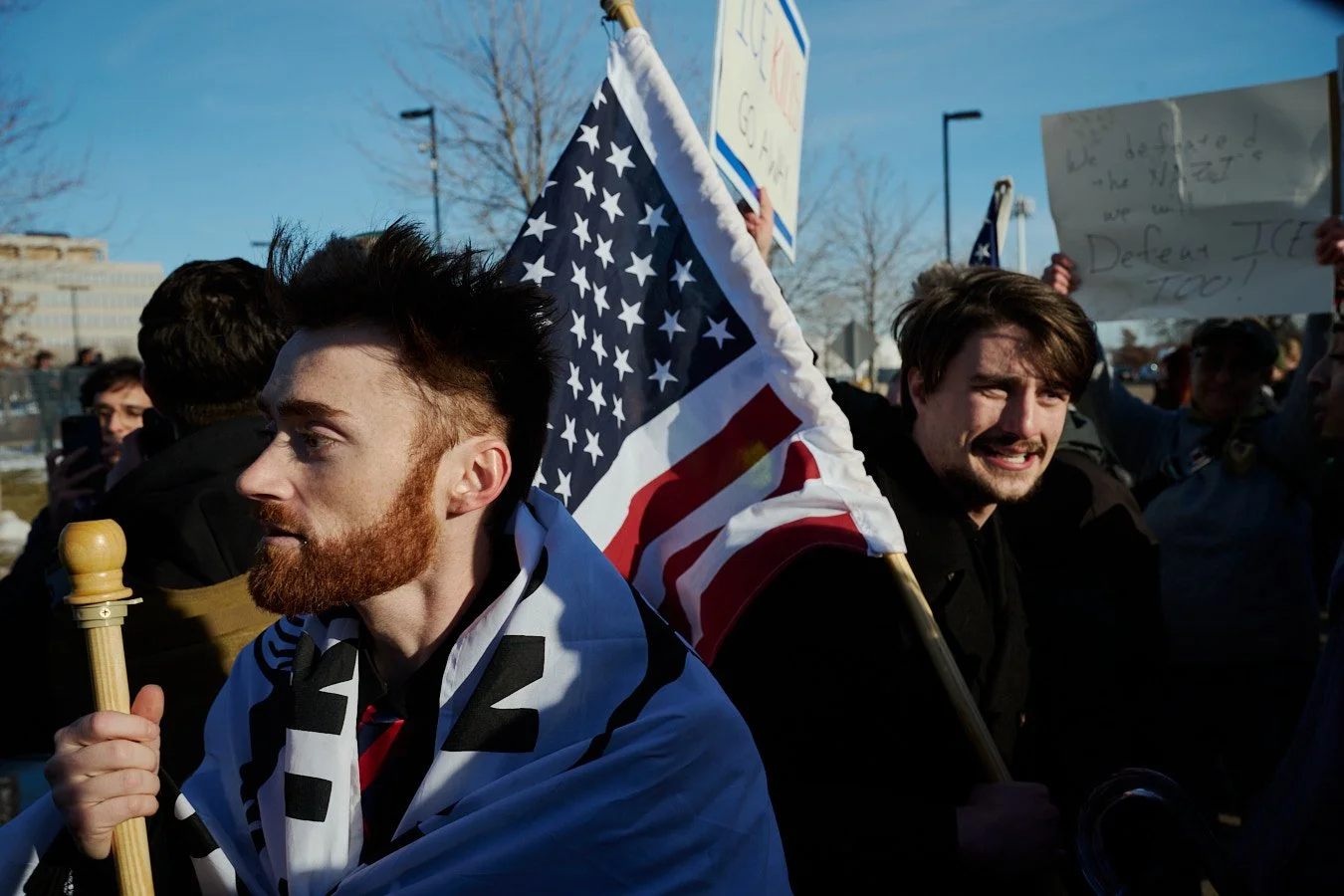
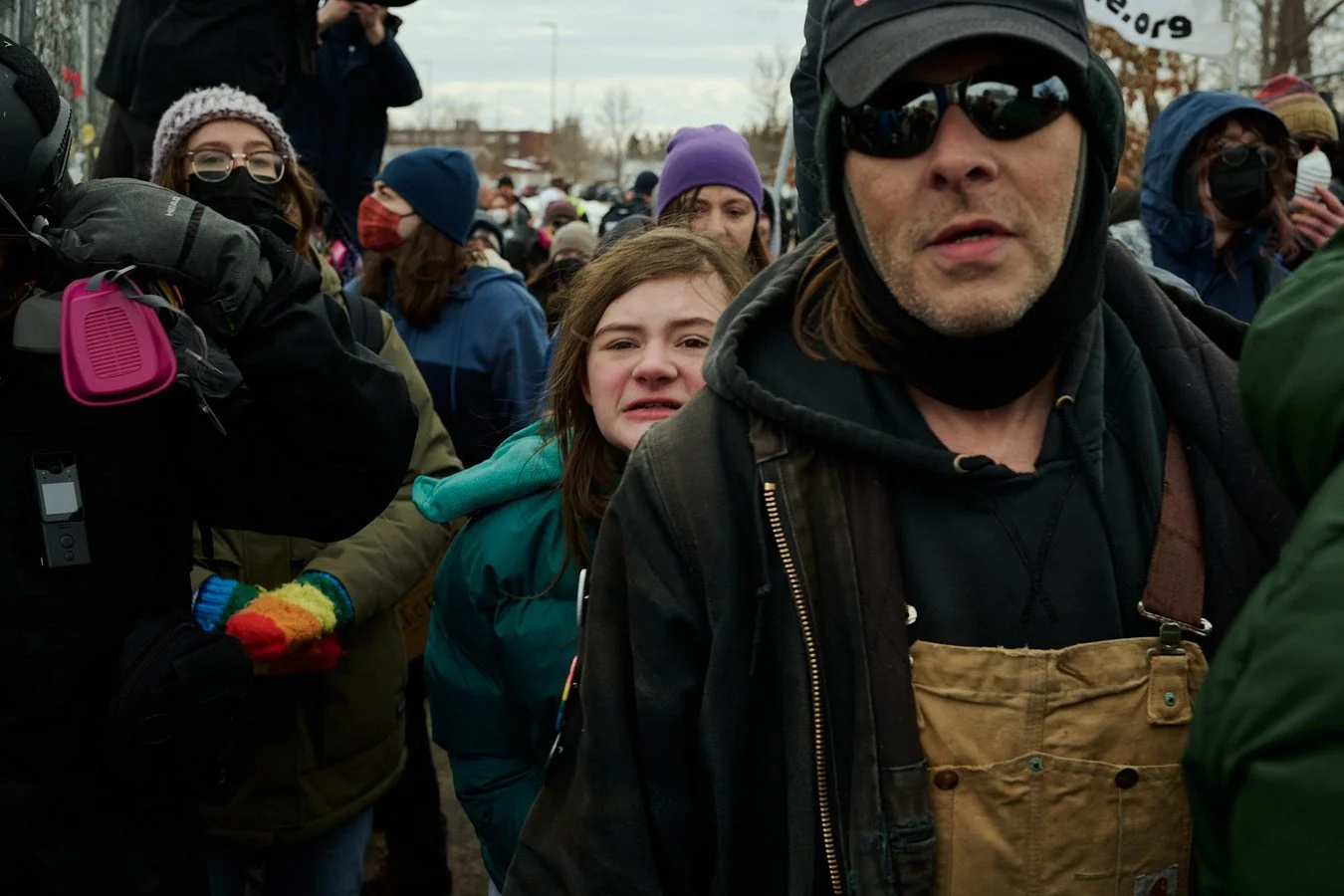
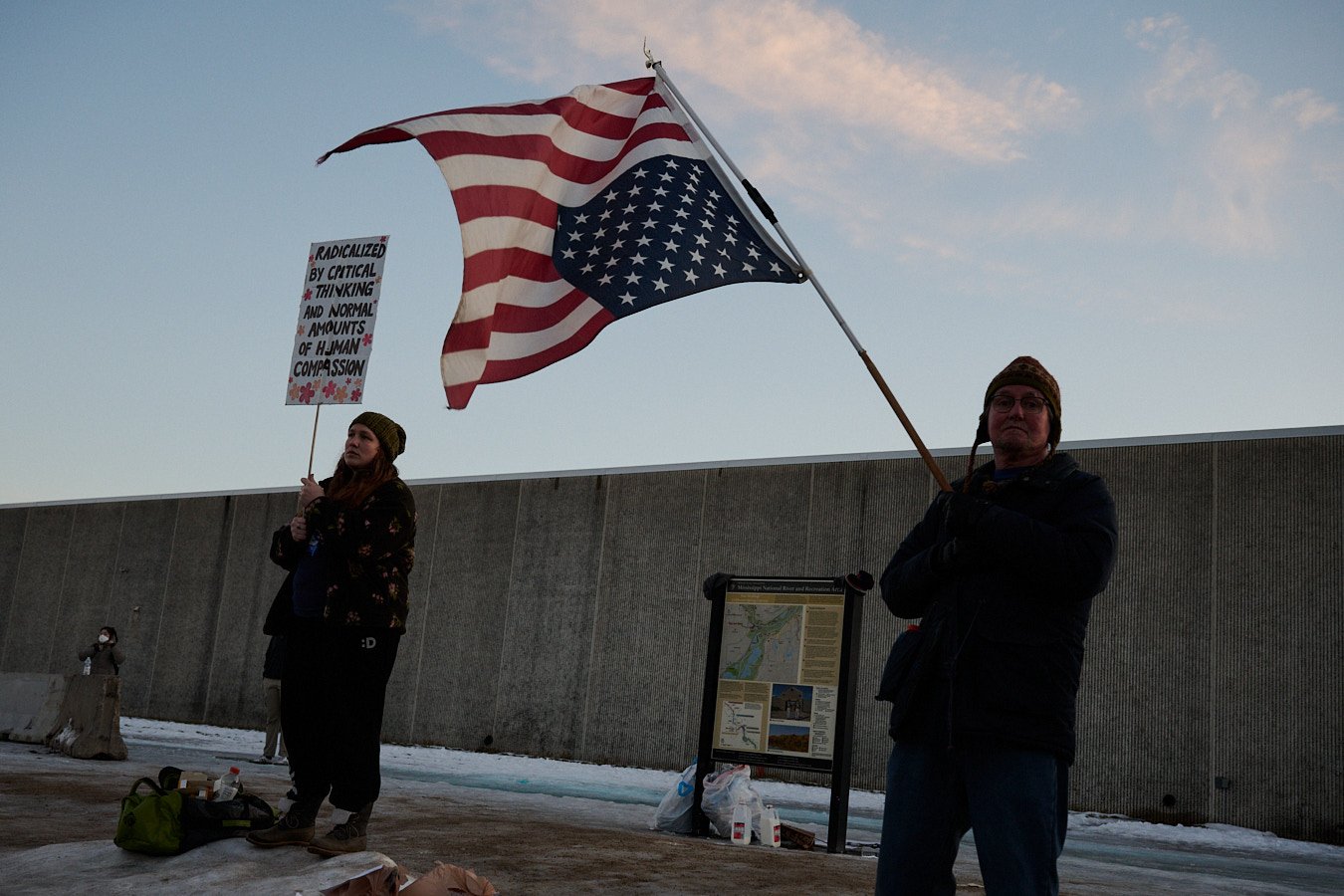
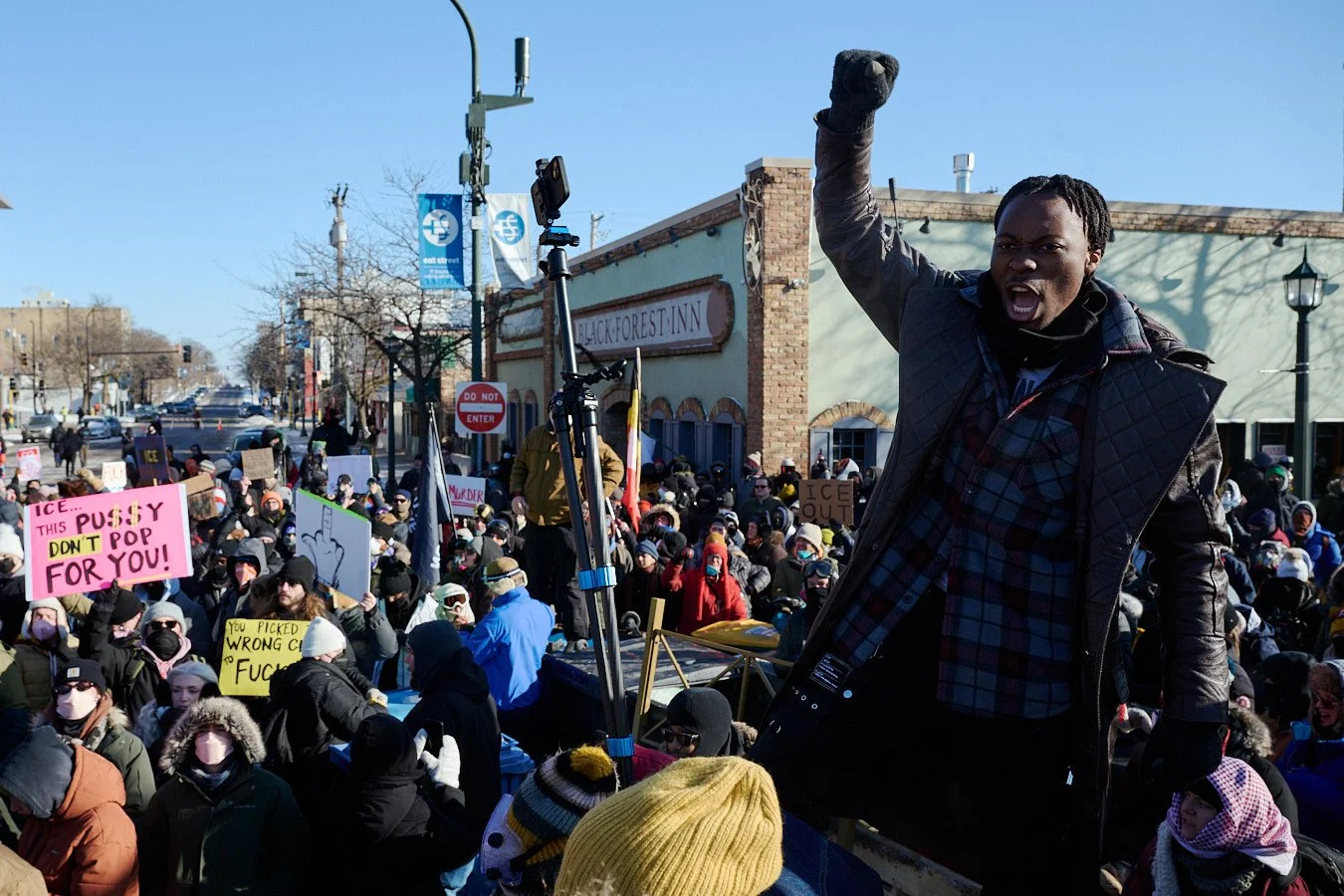
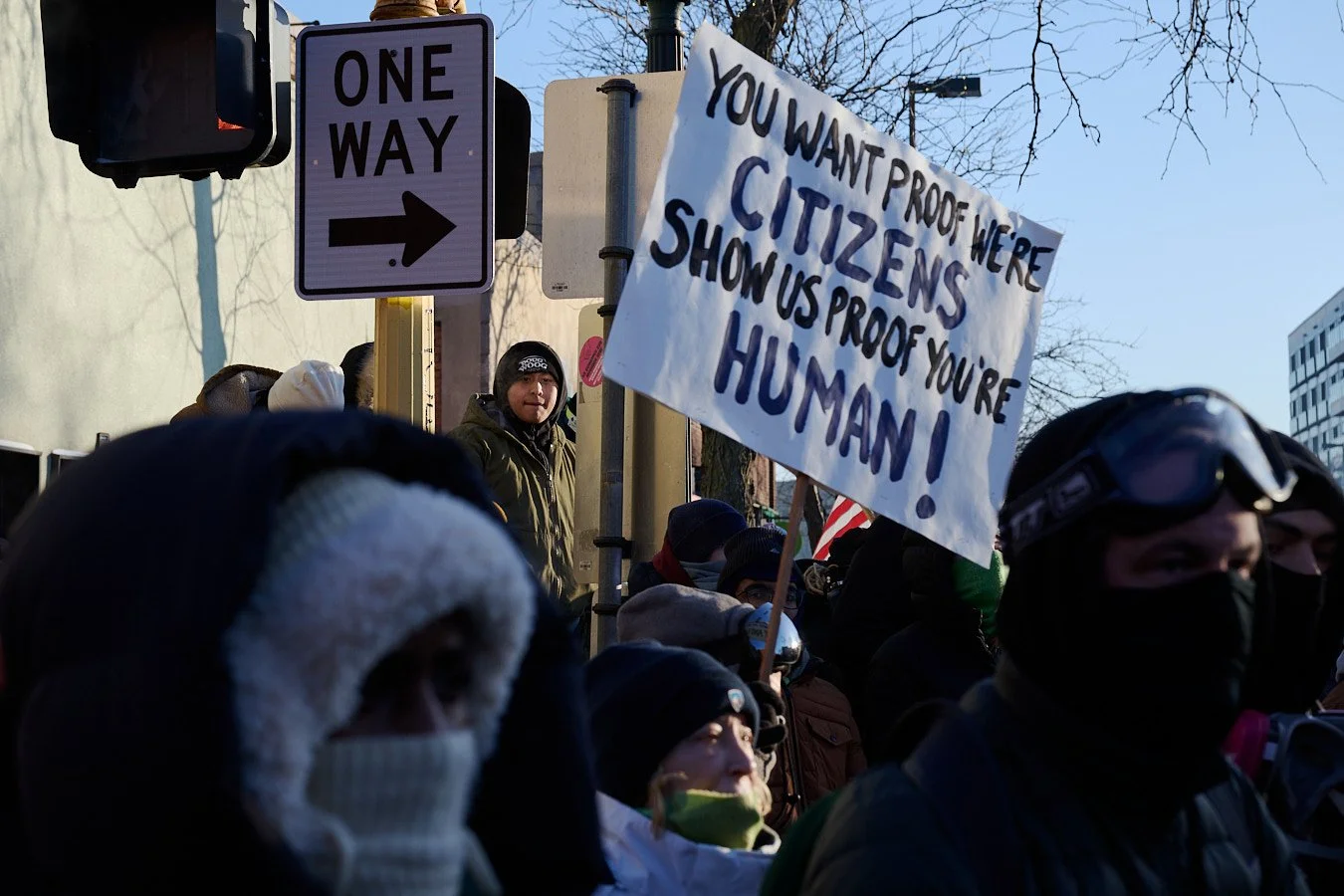
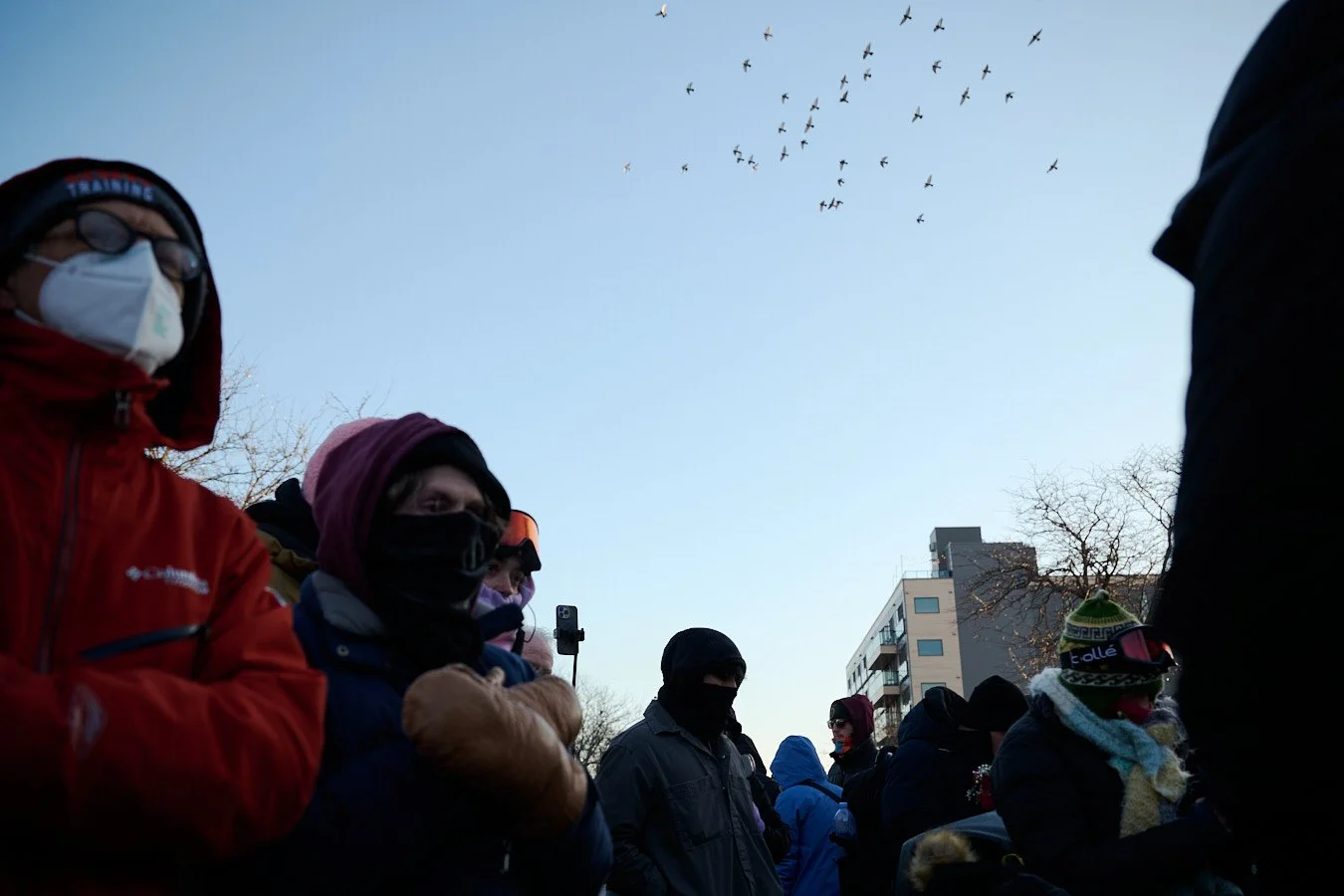
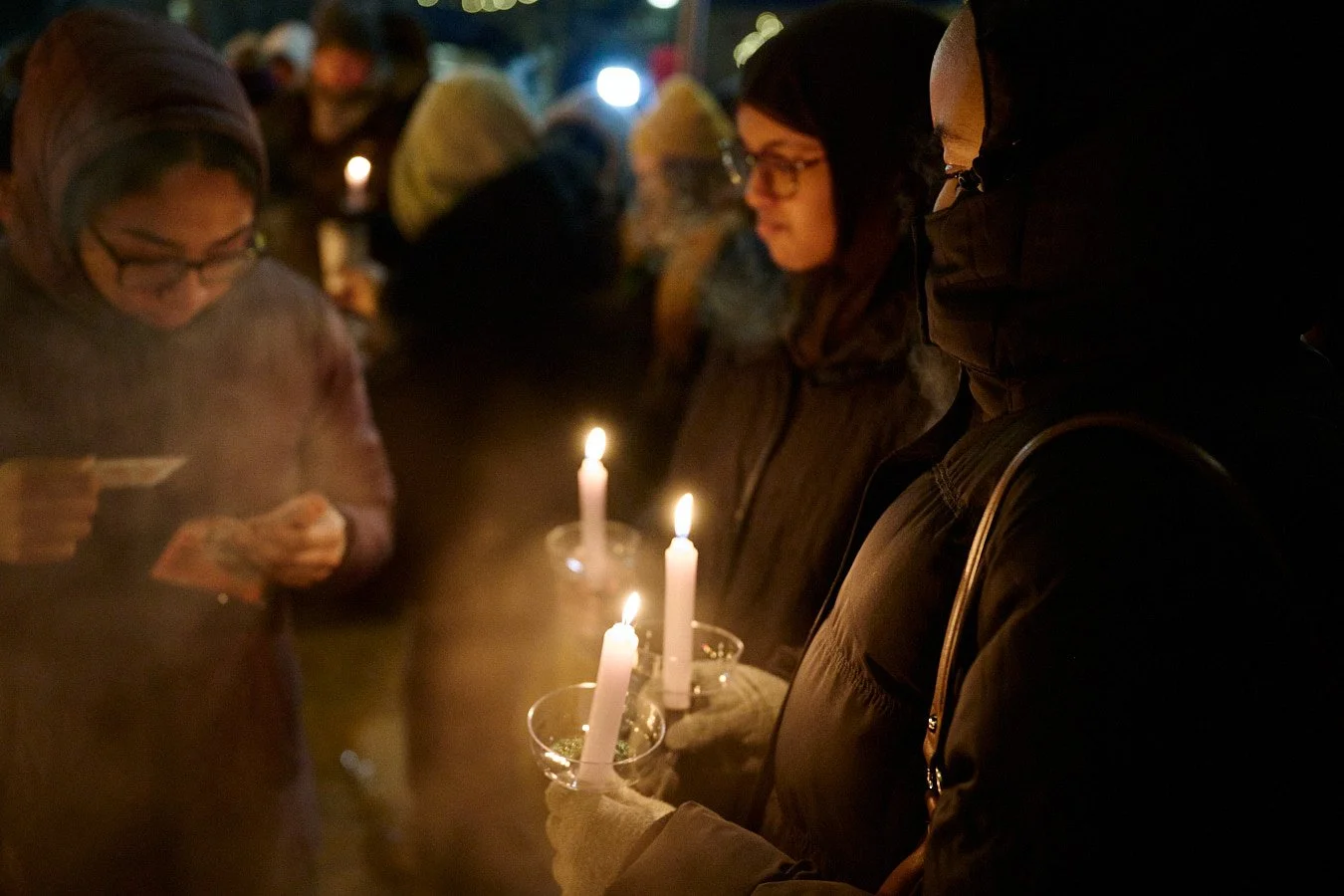
Despite the tension and uncertainty, many residents described a growing sense of solidarity. Community members organized rides, shared information, and quietly supported neighbors who feared detention.
As of Feb. 1, more than 3,000 people had been arrested since the start of Operation Metro Surge, according to Immigration and Customs Enforcement. While federal officials highlighted cases involving serious criminal charges, journalists and state officials raised questions about how many of those arrests were new street operations versus transfers from existing custody.